How to Elope on the Big Island in 2026
-
The Best Time Of Year To Elope On The Big Island
The Best Elopement Spots On The Big Island
How To Get An Elopement Permit For Your Big Island Elopement
How To Get A Hawaii Marriage License
Where To Stay For Your Big Island Elopement
Big Island Elopement Activity Ideas
If you’re dreaming of an elopement surrounded by dramatic volcanic landscapes, black sand beaches, lush tropical forests, and some of the clearest night skies in the world, the Big Island of Hawaii might be exactly what you’re looking for.
The Island of Hawaiʻi feels completely different from the other Hawaiian Islands. It’s wild, expansive, and incredibly diverse. You can watch the sunrise along the coast, wander through a tropical rainforest, explore landscapes shaped by ancient lava flows, and end your elopement day watching the sun disappear into the Pacific. For couples who want their wedding day to feel like an adventure rather than a traditional event, there are so many ways to create an experience here that feels completely your own.
But planning a Big Island elopement also comes with a few things you’ll want to know ahead of time. From choosing the right side of the island to understanding permits, weather, accessibility, and where you can legally hold your ceremony, a little planning can make a huge difference.
In this guide, I’m breaking down everything you need to know about how to elope on the Big Island, including the best elopement locations, when to visit, where to stay, permit requirements, activity ideas, and sample timelines to help you start imagining what your own Hawaii elopement could look like.
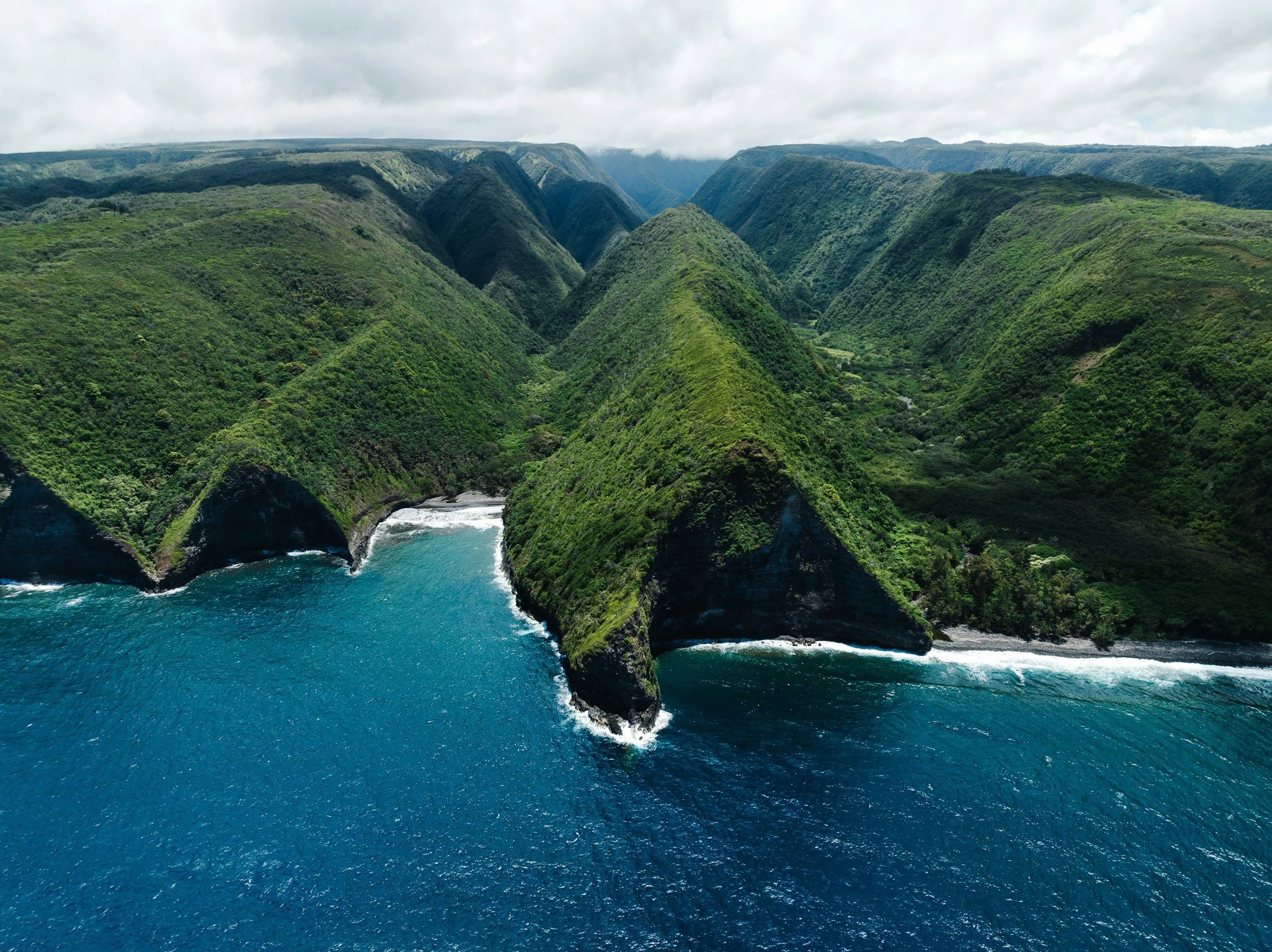
How To Get To The Big Island
By Plane:
To get to the Big Island, you’ll most likely fly into either Ellison Onizuka Kona International Airport (KOA) or Hilo International Airport (ITO). Kona is the larger of the two airports and tends to have more direct flights from major cities throughout the mainland United States, while Hilo is especially convenient if you’re staying on the eastern side of the island.
Which airport you choose will largely depend on where you’re staying and what you want to explore. Kona is a great starting point for the sunny western coast, including Kailua-Kona and the Kohala Coast, while Hilo puts you closer to the island’s lush rainforests, waterfalls, and Hawaiʻi Volcanoes National Park.
The Big Island really lives up to its name, so don’t underestimate driving distances! If your trip includes locations on both sides of the island, it can sometimes make sense to fly into one airport and out of the other rather than backtracking at the end of your trip.
By Car:
For getting around the Big Island, I definitely recommend renting a car, especially if you’re planning an elopement or want to explore beyond your resort area.
Unlike some of the smaller Hawaiian islands, locations on the Big Island can be incredibly spread out. Having your own rental car gives you the freedom to explore everything from black sand beaches and lava fields to waterfalls, rainforests, mountain landscapes, and Hawaiʻi Volcanoes National Park without having to rely on tours or transportation services.
A standard rental car will work perfectly well for most towns, beaches, national park locations, and easily accessible elopement spots. However, some of the island’s more remote areas require four-wheel drive or have roads that rental car companies prohibit you from driving on. Always check your rental agreement before heading somewhere more adventurous.
It’s also worth planning your elopement timeline around driving distances. Traveling from the Kona side of the island to Hawaiʻi Volcanoes National Park, for example, can take several hours, so trying to fit locations on opposite sides of the island into a short elopement timeline may leave you spending more of your wedding day in the car than actually exploring.
Pro Tip: Download offline Google Maps directions before your elopement day! Cell service can get spotty in Hawaiʻi Volcanoes National Park, along remote stretches of highway, and in some of the island’s more secluded areas. Having your route downloaded ahead of time will make navigating so much easier and save you unnecessary stress on your wedding day.
The Best Time Of Year To Elope On The Big Island
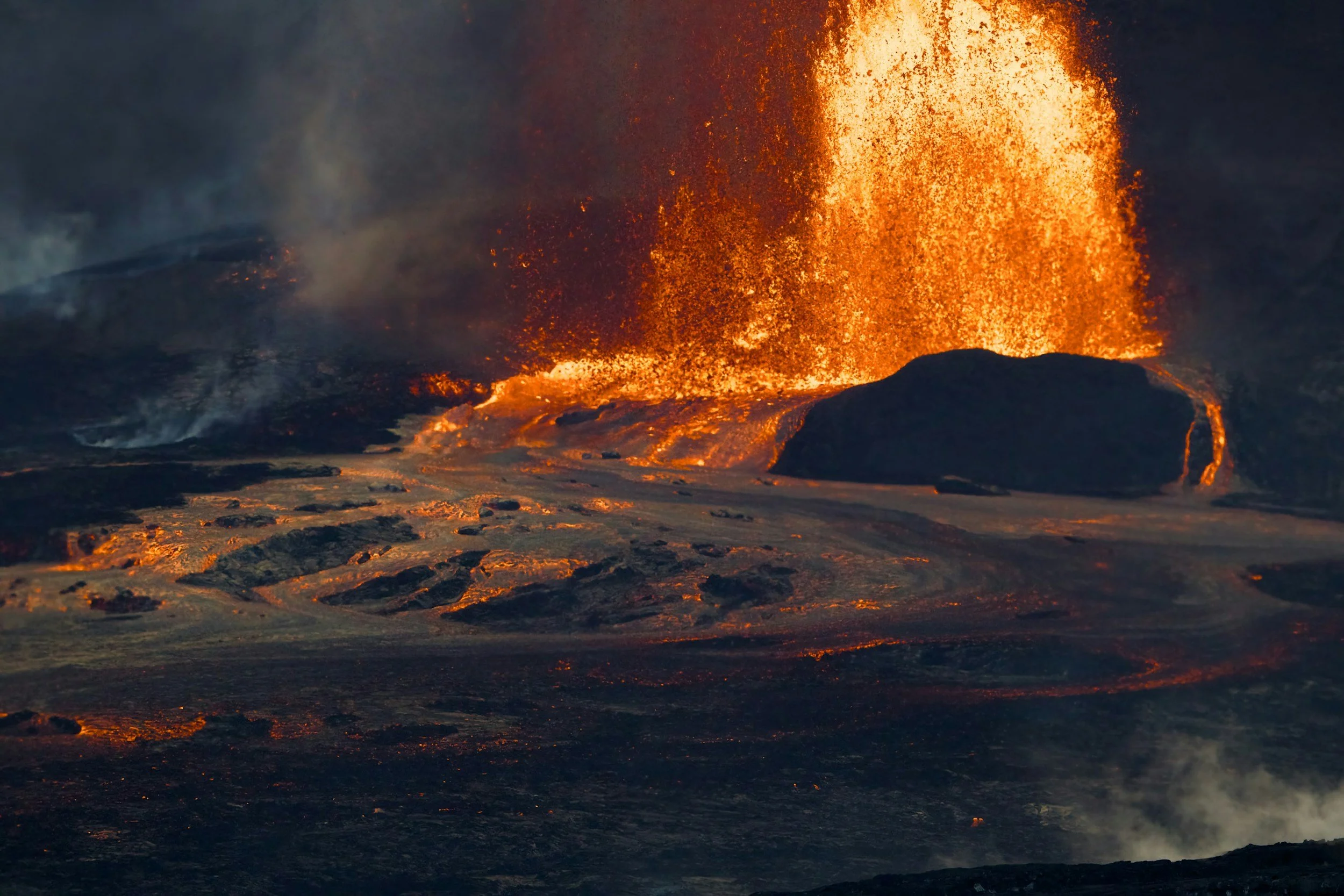
Choosing the best time of year to elope on the Big Island really depends on the kind of experience you’re dreaming of. One of the best things about the Island of Hawaiʻi is that you can visit year-round, but the weather can feel completely different depending on which part of the island you’re exploring.
The Kona and Kohala coasts tend to be sunnier and drier, while the Hilo side of the island is much wetter and incredibly lush. Add in the higher elevations around Mauna Kea and the constantly changing landscapes of Hawaiʻi Volcanoes National Park, and you can experience several completely different climates in a single day.
While there really isn’t one "bad" season to elope on the Big Island, each time of year brings slightly different weather, crowds, ocean conditions, and opportunities.
Spring (March to May):
Spring is one of my favorite times to consider a Big Island elopement. Temperatures are warm, the landscapes can be beautifully green after the wetter winter months, and you may find a sweet spot between the busy winter travel season and summer vacations.
March can still bring some wetter weather, particularly around Hilo and the eastern side of the island, but that rain is also what makes this part of Hawaiʻi so incredibly lush. If your plans include waterfalls, tropical forests, or Hawaiʻi Volcanoes National Park, having a flexible timeline and being prepared for changing weather is always a good idea.
March also overlaps with the tail end of Hawaiʻi's humpback whale season. If seeing whales is on your bucket list, an earlier spring elopement could give you the opportunity to add a whale-watching tour to your trip.
Summer (June to August):
If you're dreaming of warm weather, long days, and plenty of time near the ocean, summer can be an amazing time to elope on the Big Island.
The Kona and Kohala sides of the island tend to be particularly sunny and dry, making summer perfect for couples who want to incorporate swimming, snorkeling, kayaking, sailing, or a relaxing afternoon at the beach into their elopement experience.
Temperatures near the coast can get pretty warm during the middle of the day, so I recommend planning your ceremony and portraits closer to sunrise or sunset whenever possible. You'll get more comfortable temperatures, fewer people at popular locations, and that gorgeous soft Hawaiian light.
Summer is also a popular time for family travel, so some beaches, resorts, and easily accessible locations can be busier. If having a little more privacy is important to you, consider planning your ceremony for sunrise on a weekday and saving busier locations for another part of your trip.
Fall (September to November):
Fall can be such an underrated time to elope on the Big Island. Temperatures are still beautifully warm, summer travel begins to slow down, and September and October can be especially great for couples looking for a balance between beautiful weather and potentially fewer crowds.
This is also a great time of year if you want to build plenty of outdoor adventures into your trip, whether that's snorkeling along the Kona Coast, exploring Hawaiʻi Volcanoes National Park, visiting waterfalls near Hilo, or spending your evenings watching the sunset from the beach.
As you move toward November, the island begins transitioning further into its wetter season. Rain is much more common on the windward Hilo side than around Kona, so where you choose to stay and elope can make a big difference in the weather you experience.
As with any tropical destination, I recommend building some flexibility into your plans and embracing the possibility of a quick rain shower. Sometimes those moody clouds and misty landscapes end up creating some of the most beautiful conditions for photos!
Winter (December to February):
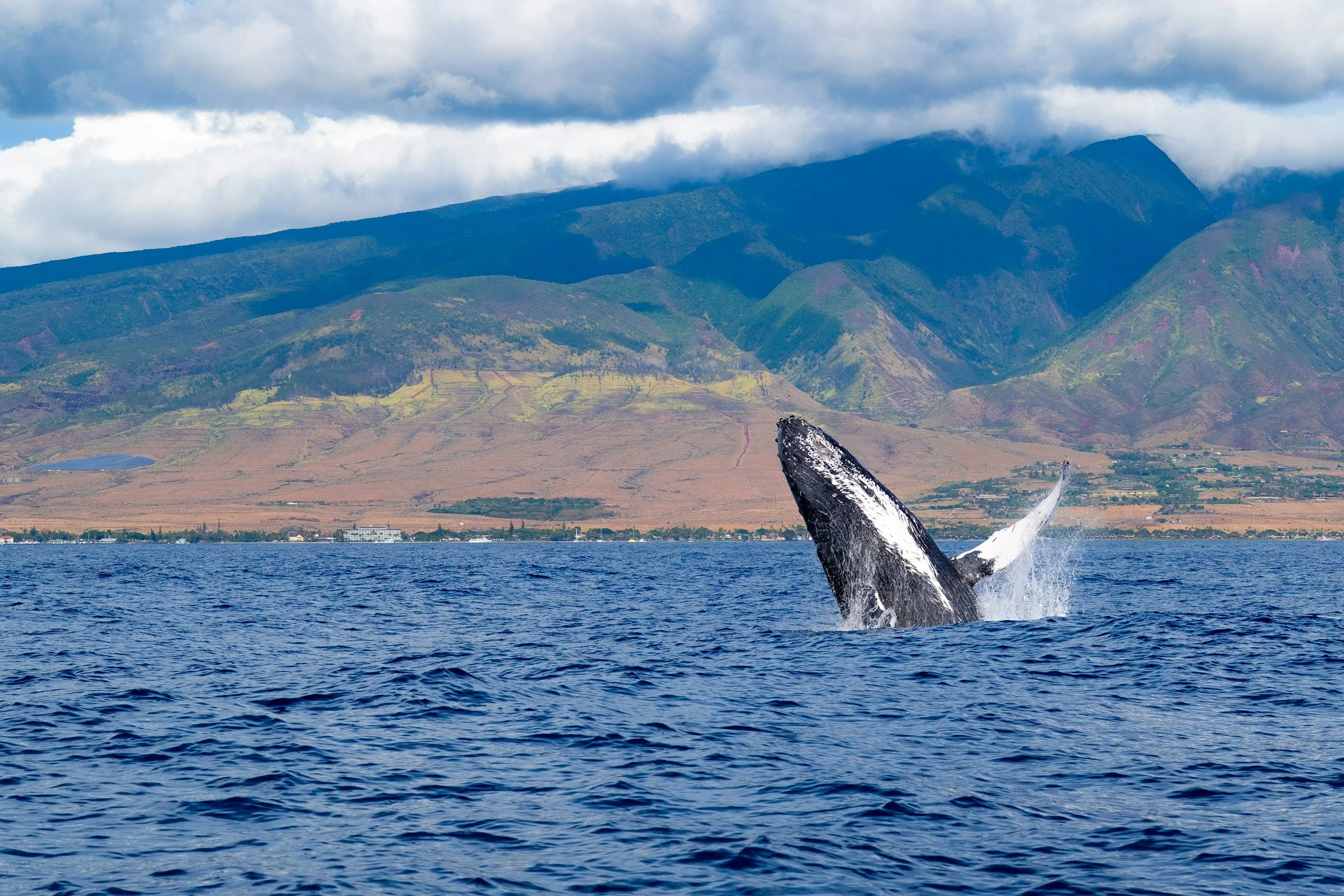
Winter is an incredible time to visit the Big Island, especially if seeing humpback whales is high on your Hawaii bucket list. Whales migrate to Hawaiian waters during the winter months, and you may be able to spot them from shore or head out on a whale-watching tour during your trip.
Temperatures along the coast remain beautifully warm compared to most places on the mainland, although winter generally brings a greater chance of rain, particularly on the eastern side of the island.
Ocean conditions can also be rougher during the winter months, especially along exposed shores. If swimming, snorkeling, kayaking, or another ocean activity is an important part of your elopement experience, always check current conditions and follow posted warnings before getting into the water.
One of the most unique things about winter on the Big Island is just how dramatically conditions can change with elevation. While you might be enjoying warm temperatures along the Kona Coast, the summits of Mauna Kea and Mauna Loa can experience freezing temperatures and even snow. If you're planning any high-elevation adventures during your trip, make sure you're prepared for a completely different climate than you'll experience at the beach.
Winter is also a popular time for travelers escaping colder weather on the mainland, so expect larger crowds and potentially higher accommodation prices around Christmas, New Year's, and other peak travel periods.
My favorite months for a Maui elopement?
April, May, September, and October are especially great options for couples looking for warm weather while potentially avoiding some of the busiest holiday and summer travel periods.
If whale watching is one of your biggest priorities, I would consider planning your Big Island elopement between January and March instead.
Ultimately, though, where you elope on the Big Island can matter just as much as when you elope. The island is home to so many different microclimates that you could experience sunshine along the Kona Coast, clouds and rain near Hilo, cooler temperatures inside Hawaiʻi Volcanoes National Park, and dramatically colder conditions at higher elevations, all within the same trip. That's part of what makes planning an elopement here so unique!
The Best Elopement Spots On The Big Island
One of my favorite things about the Big Island is just how many completely different landscapes you can experience without ever leaving the island. You can exchange vows overlooking an active volcanic landscape, walk across a black sand beach, explore a tropical forest, or end your day watching the sunset along a white sand beach.
When choosing your Big Island elopement location, think about the experience you want to have just as much as the scenery. Some locations are incredibly easy to access and perfect if you're bringing guests, while others are better suited for couples who want a little more adventure.
Here are a few of the best places to consider for your Big Island elopement:
Hawaii volcanoes national park
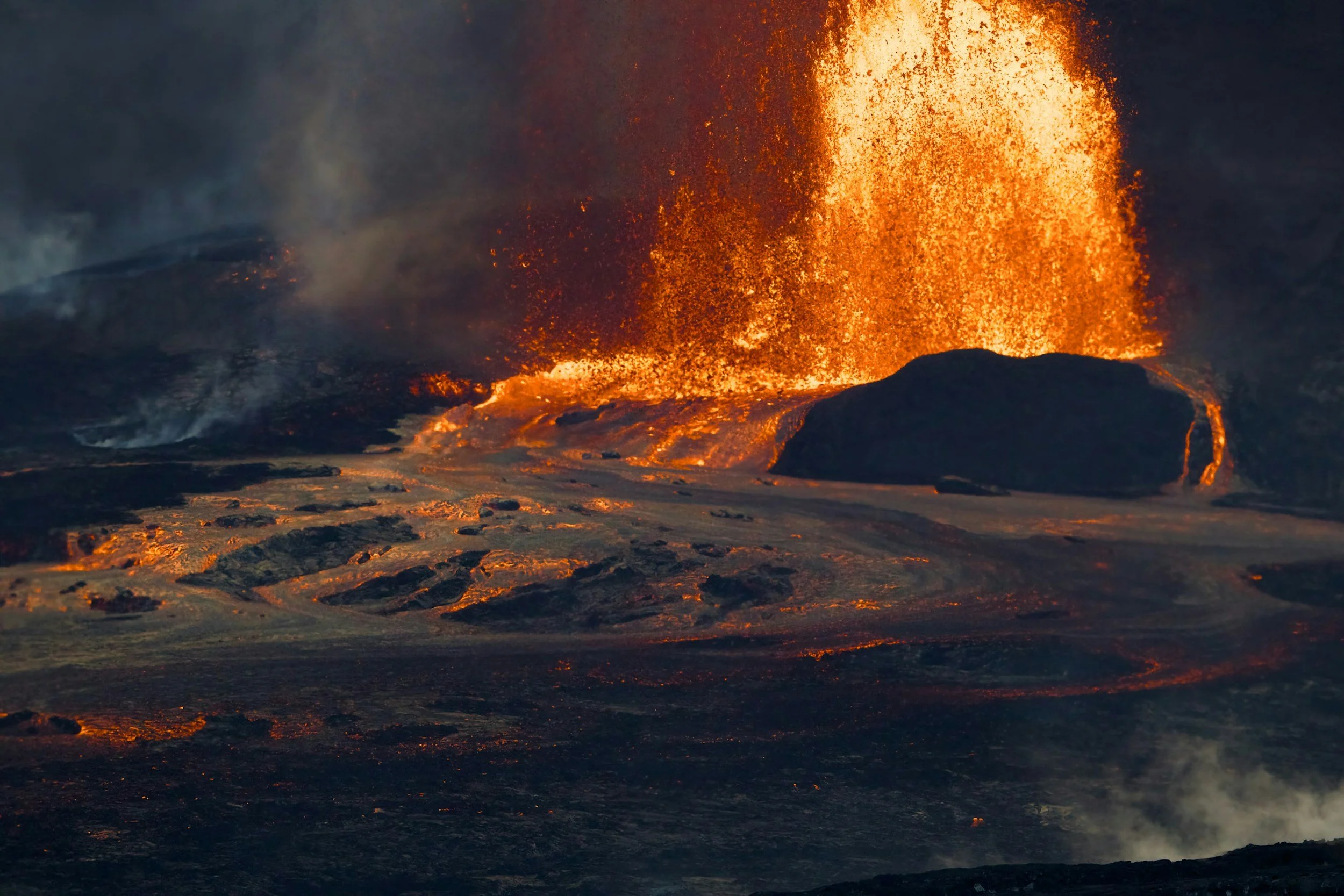
If you want your elopement to feel completely different from the traditional tropical Hawaii wedding, Hawaiʻi Volcanoes National Park is hard to beat.
The park is filled with massive volcanic craters, old lava flows, tropical rainforest, rugged coastline, and landscapes that genuinely feel like another planet. You could spend hours exploring here and experience several completely different environments along the way.
Weddings are allowed at specific designated locations throughout the park, including Kīlauea Overlook, Hilina Pali Overlook, Mauna Loa Lookout, the end of Chain of Craters Road, and certain coastal areas along Chain of Craters Road.
A Special Use Permit is required for wedding ceremonies inside Hawaiʻi Volcanoes National Park, so make sure you apply and receive approval before finalizing your plans.
This would be one of my top recommendations for couples who want an adventurous Big Island elopement centered around exploring rather than spending the entire day at the beach.
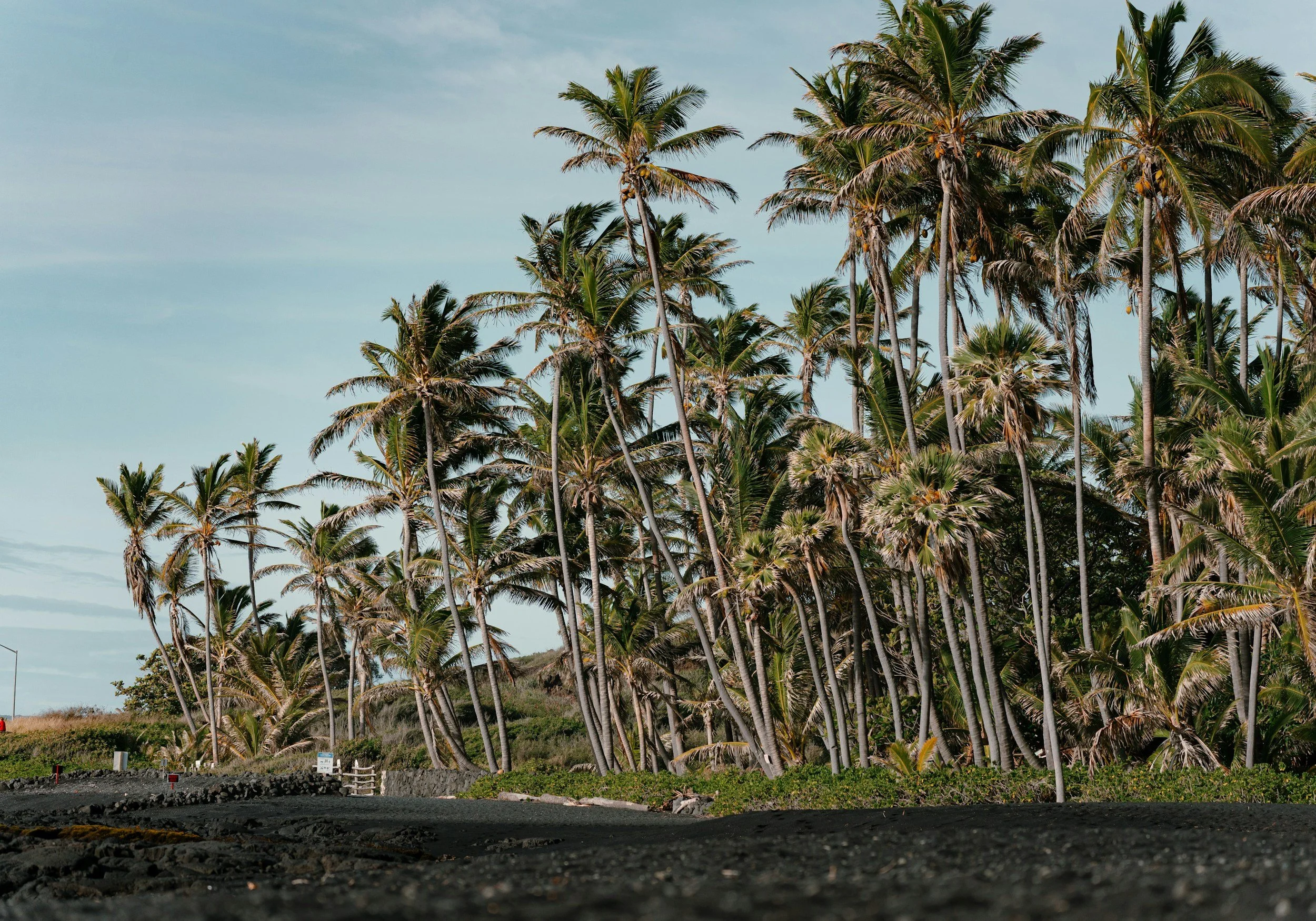
Punaluʻu Black Sand Beach
If you've always imagined getting married somewhere that feels unmistakably Hawaiian, a black sand beach is such a unique option.
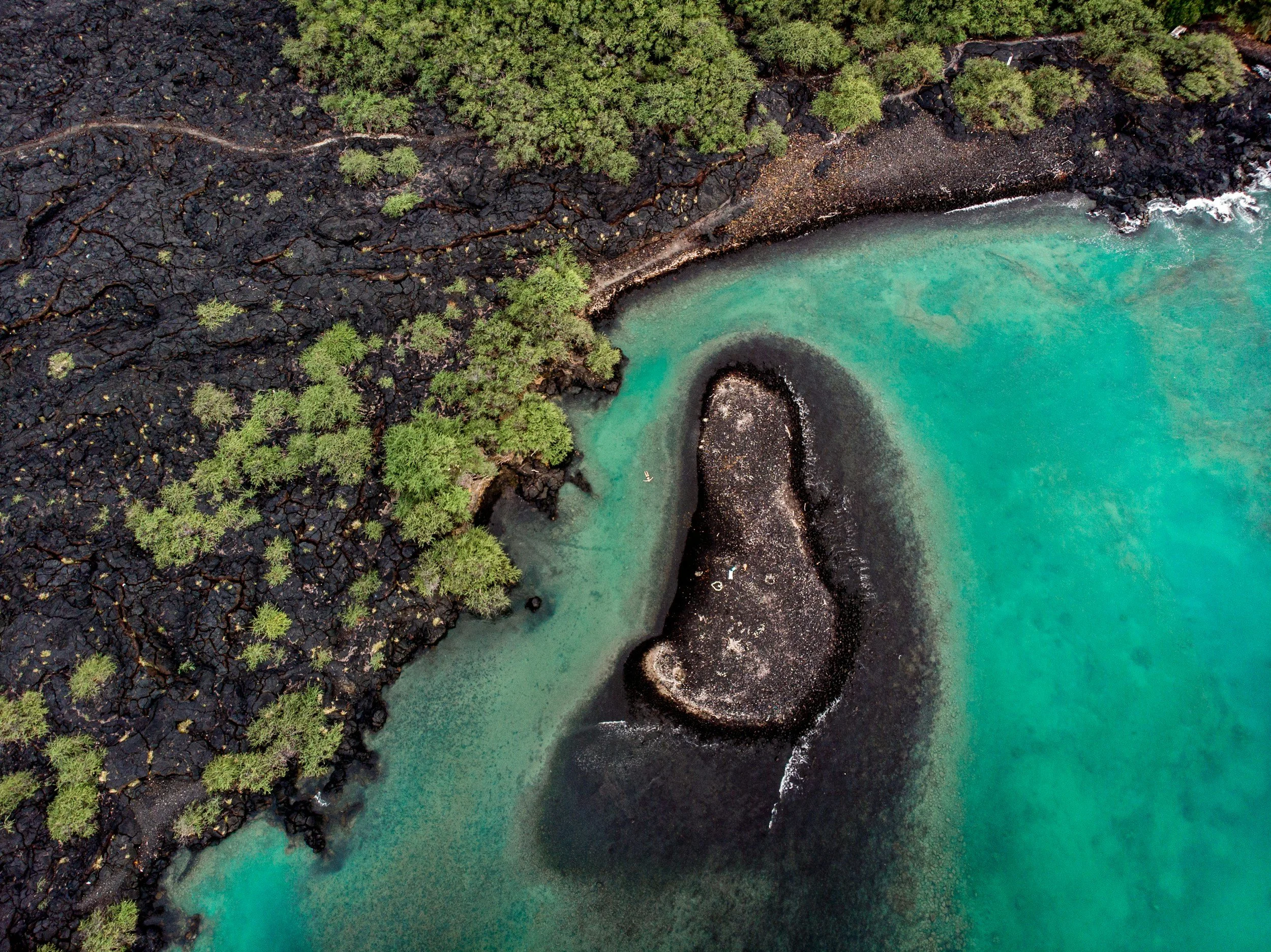
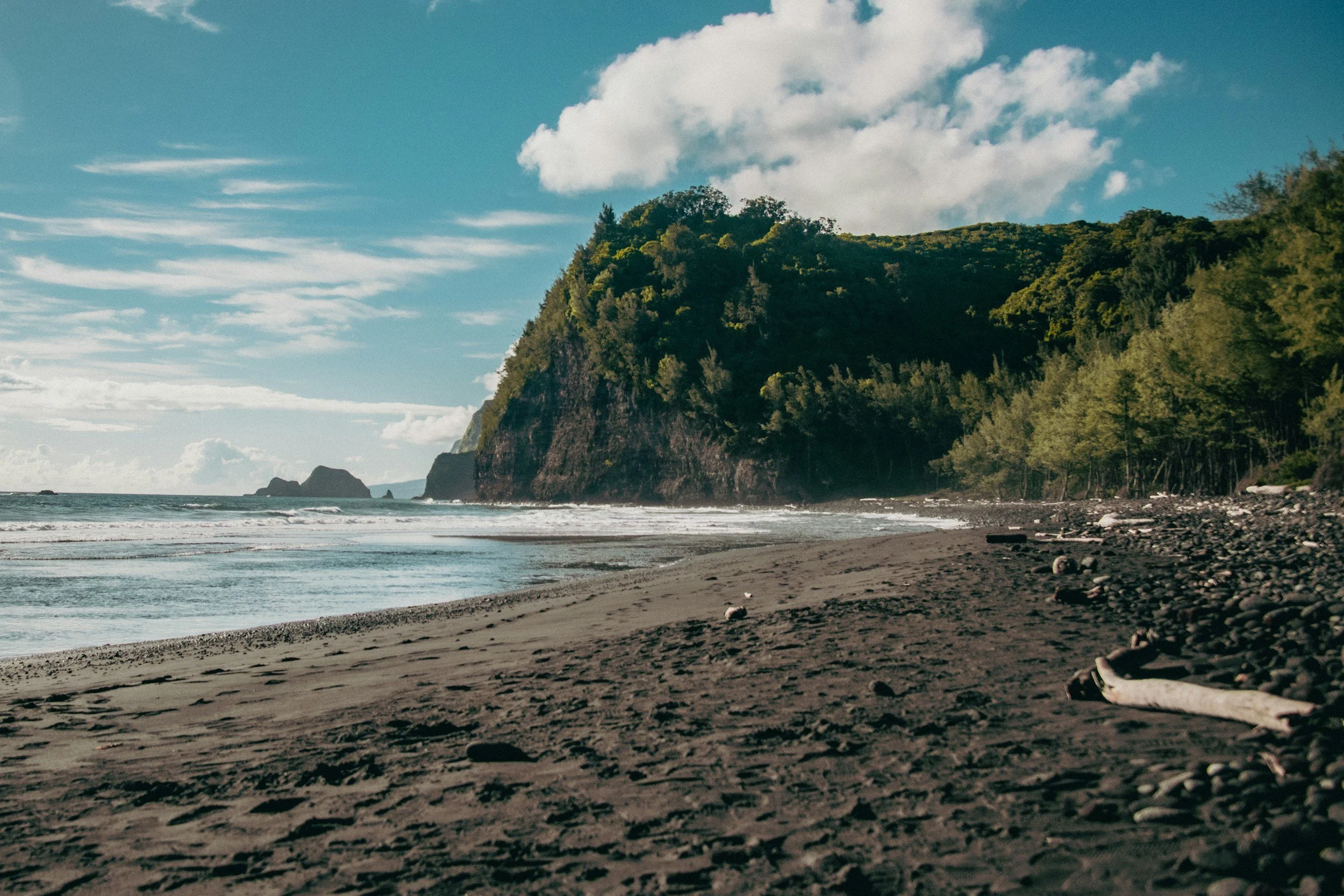
Punaluʻu is one of the Big Island's most recognizable black sand beaches, with dark volcanic sand, palm trees, and turquoise water creating an incredible contrast. Hawaiian green sea turtles are also frequently seen in this area, although it's incredibly important to give them plenty of space and never interfere with wildlife for photos.
Because Punaluʻu is a popular sightseeing destination, I recommend considering an early morning ceremony when the beach is typically quieter and temperatures are cooler.
You'll also want to confirm current wedding and photography permit requirements before planning your ceremony here.
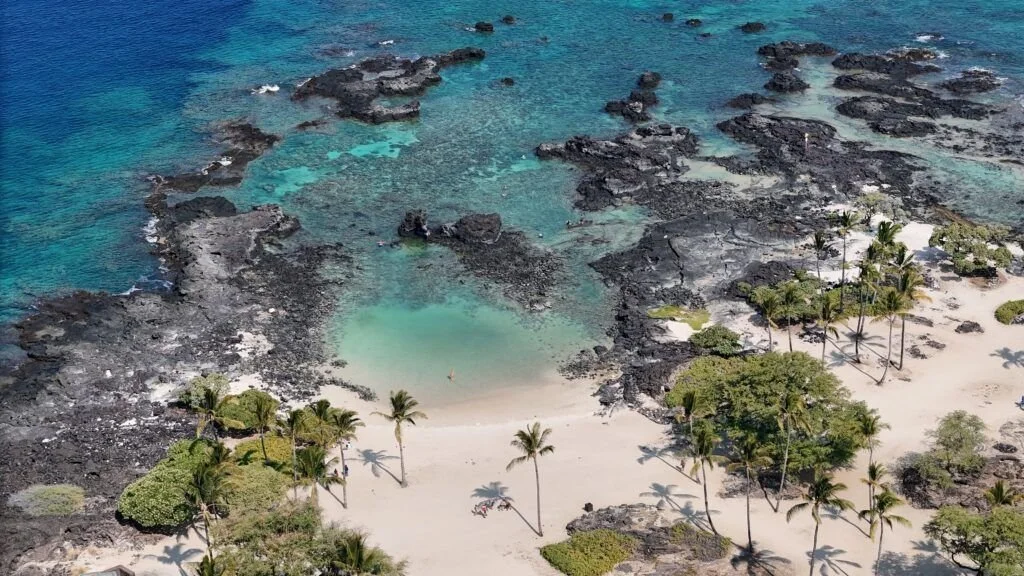
Kukio Beach + The Kohala Coast
The Kohala Coast is one of my favorite areas to consider if you want that dreamy Hawaii beach experience without making your entire elopement day about one location.
This side of the island is known for its beautiful beaches, lava-rock coastline, palm trees, and incredible sunsets. Locations like Kukio can give you a combination of sandy shoreline and dramatic volcanic rock, which photographs beautifully and gives you a little more variety than a traditional beach ceremony.
It's also an especially convenient area if you're staying at one of the resorts along the Kohala Coast and want to keep driving to a minimum on your elopement day.
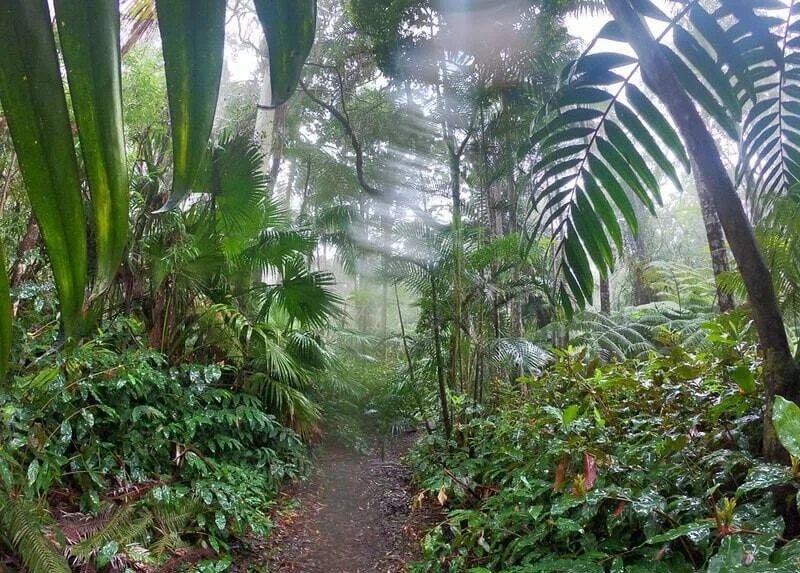
Kona Cloud Forest
Your Big Island elopement doesn't have to happen on a beach!
The Kona Cloud Forest gives you a completely different side of the island, filled with lush greenery, ferns, towering trees, and a misty tropical atmosphere. It's such a beautiful option if you love the greenery of Hawaii but want something more intimate than one of the island's popular beaches.
One of the best parts about choosing a location near Kona is that you can combine completely different landscapes within the same elopement day. Imagine spending part of the afternoon surrounded by tropical forest before heading down toward the coast for sunset portraits on the beach.
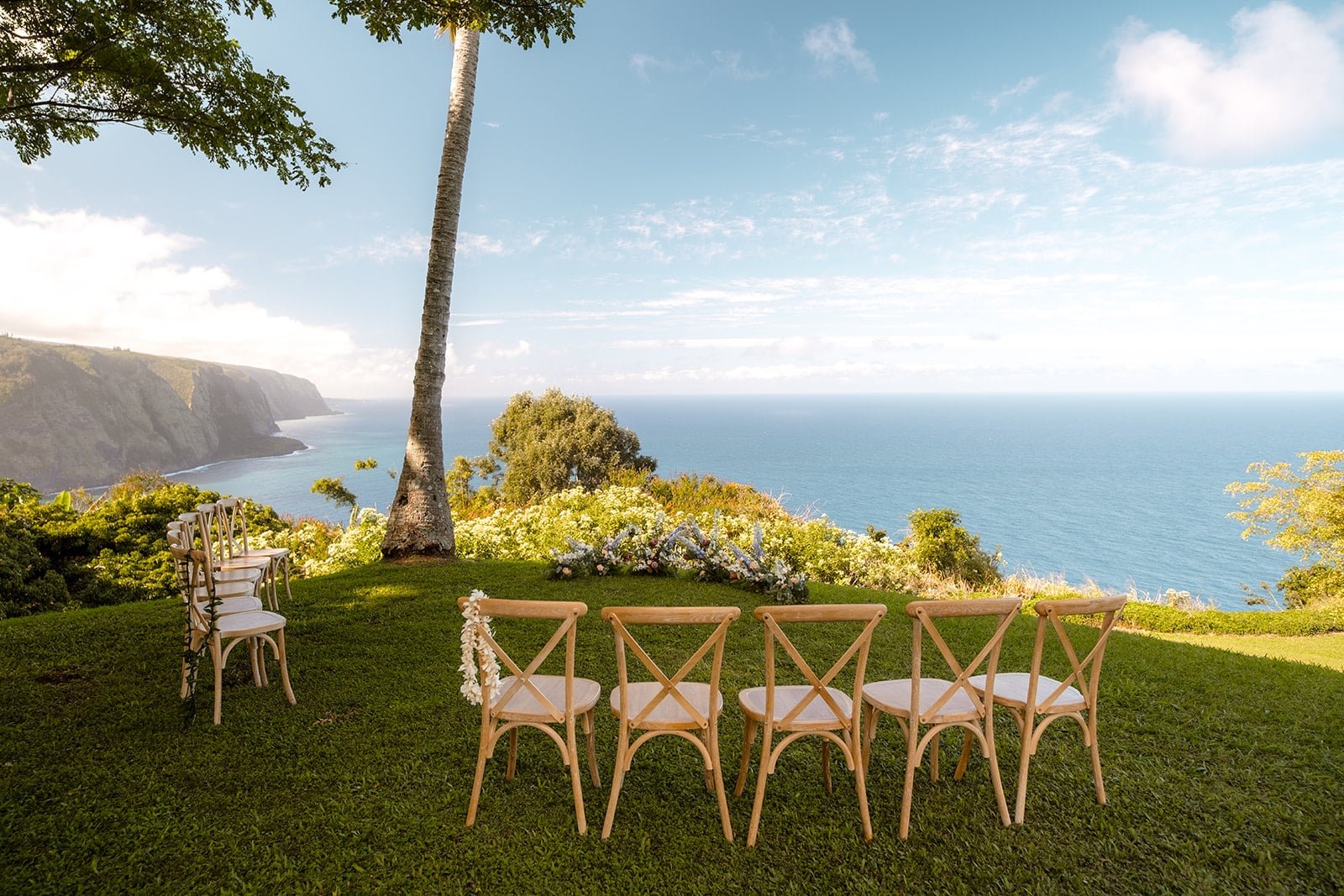
Private Waterfalls + Estates
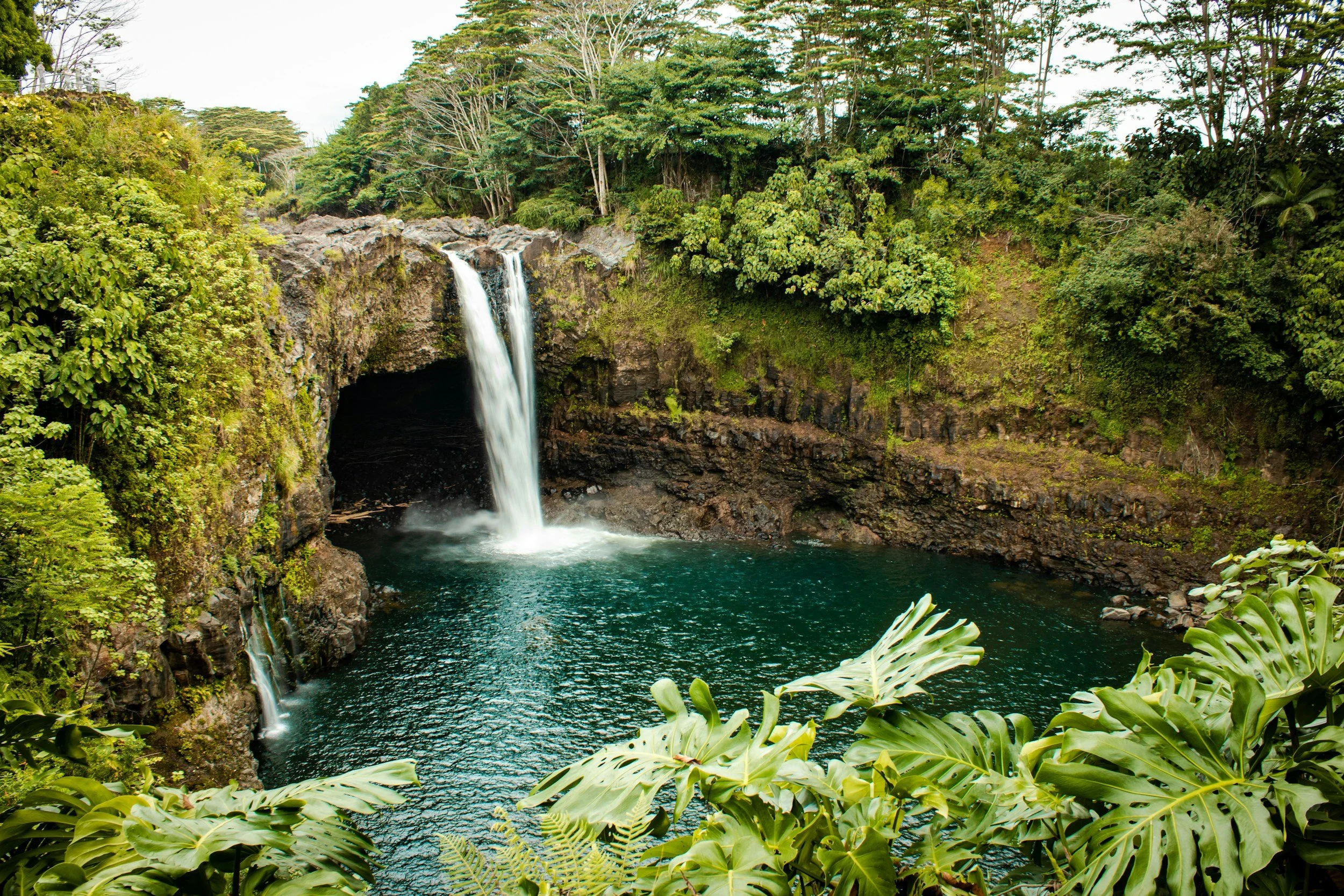
If you've been dreaming about exchanging vows beside a waterfall, I highly recommend looking into private properties rather than automatically planning around one of the Big Island's popular public waterfalls.
Private estates can give you more control over your ceremony, fewer crowds, and sometimes the ability to incorporate things that aren't possible on public land, like chairs, a picnic, florals, or a small reception.
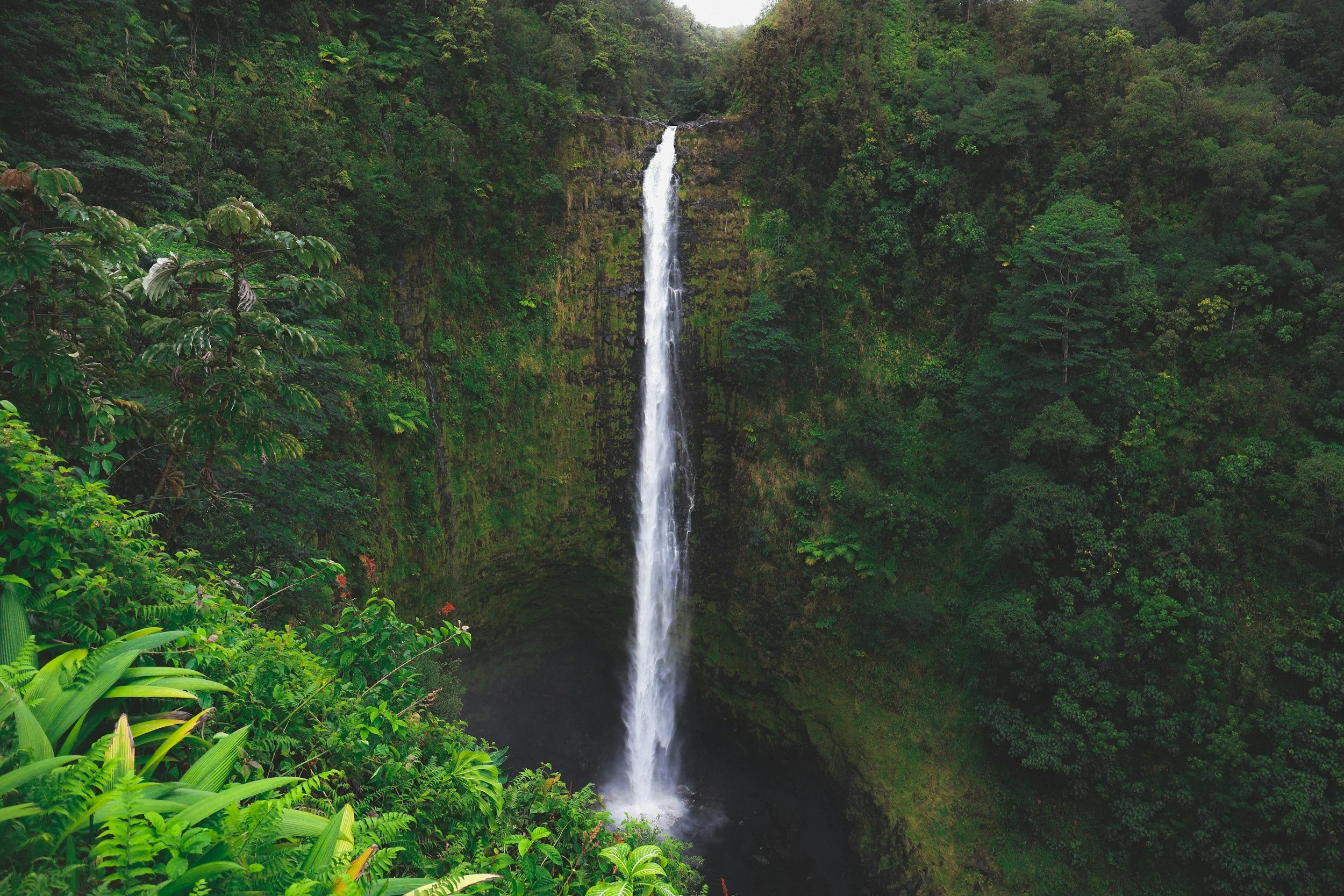
The Hilo side of the island is particularly lush and filled with waterfalls, tropical gardens, and private properties that can give you that classic rainforest Hawaii experience.
How To Get An Elopement Permit For Your Big Island Elopement
Permits are one of the most important things to consider when planning a Big Island elopement. The exact permits you'll need depend on where you're holding your ceremony and where you're taking professional photos, since beaches, state parks, Hawaiʻi Volcanoes National Park, private properties, and other public lands can all have different requirements.
For many couples, there are two separate things to consider:
A permit for your ceremony or wedding activity
Permission or a permit for professional photography
If you're planning to exchange vows on public land, you'll need to look at the regulations for that specific location. Some of the most beautiful places to take photos on the Big Island aren't necessarily locations where you can legally hold a wedding ceremony, so I don't recommend choosing your ceremony spot until you've confirmed that weddings are actually permitted there.
Beach Elopement Permits
For many couples, having your ceremony on the beach is one of the simplest options for a Big Island elopement.
Commercial wedding activities on qualifying public beaches generally require a Wiki Permit through Hawaii's Department of Land and Natural Resources (DLNR). These permits apply specifically to approved unencumbered State shorelines, meaning you can't simply choose any beach or stretch of coastline on the Big Island and assume a wedding ceremony is allowed there.
There are numerous approved Wiki Permit locations around Hawaiʻi Island, including beaches along the Kona and Kohala coasts. However, the exact section of shoreline matters, so I always recommend confirming that your specific ceremony location appears on the current DLNR list before finalizing your plans.
Your wedding professional will often obtain the Wiki Permit for your ceremony. There are also rules surrounding your setup, structures, decorations, how the beach can be used, and other aspects of the wedding.
It's also important to remember that the Big Island's public beaches remain open to everyone. A wedding permit does not reserve the beach or give you exclusive access to it.
This is one of the reasons I love recommending sunrise or weekday ceremonies on the Big Island. You'll generally have a better chance of finding a quieter stretch of coastline, especially at some of the island's more popular beaches.
Hawaiʻi Volcanoes National Park Elopement Permits
If you're dreaming about exchanging vows surrounded by lava fields, volcanic craters, rainforest, or some of the Big Island's otherworldly landscapes, Hawaiʻi Volcanoes National Park has its own permitting process.
Wedding ceremonies within Hawaiʻi Volcanoes National Park require a Special Use Permit from the National Park Service.
Weddings may currently be authorized at specific locations throughout the park, including:
Kūpinaʻi Pali
Kīlauea Overlook
Hilina Pali Overlook
End of Chain of Craters Road
Coastal areas accessed by Chain of Craters Road
Kīpukapuaulu (Bird Park)
The grassy area west of Kīlauea Visitor Center
Mauna Loa Lookout
You'll need to submit an application and receive approval before holding your wedding inside the park. The National Park Service also has rules designed to protect the landscape and ensure your ceremony doesn't interfere with other visitors.
Hawaiʻi Volcanoes National Park specifically describes weddings as small, private affairs, so this is much better suited to an intimate elopement than a traditional large wedding.
Because national park regulations and volcanic conditions can change, I always recommend checking the current National Park Service requirements and park alerts before finalizing your ceremony location or timeline.
State Parks & Other Public Lands
If you're dreaming of exchanging vows somewhere other than an approved Wiki Permit beach or Hawaiʻi Volcanoes National Park, permitting can get a little more complicated.
Locations managed by Hawaii State Parks may require a Special Use Permit for a wedding or elopement ceremony. Each permit request is considered individually, so being allowed to visit a park doesn't automatically mean you can hold a wedding there.
State Park Special Use Permit requests currently need to be submitted at least 45 days before your requested date, so this isn't something you'll want to leave until the last minute.
This distinction is especially important on the Big Island because some beaches and scenic areas fall within State Parks or State Recreation Areas rather than the standard Wiki Permit system.
Always research the exact location and the agency that manages it before assuming your ceremony is allowed there.
Photography Permits
Your ceremony permit doesn't necessarily cover professional photography everywhere else you visit during your Big Island elopement.
Depending on the location and how the photography is being conducted, your photographer may need separate authorization for professional or commercial photography. This becomes especially important if you're planning a multi-location Big Island elopement.
For example, you might have a permitted beach ceremony along the Kona Coast, explore another public area during the afternoon, and head somewhere completely different for sunset. Those locations could all be managed by different agencies with their own rules.
This is why I always recommend deciding on your general elopement experience first and then researching each individual location before locking in your timeline.
And if your dream portrait location doesn't allow wedding ceremonies, you don't necessarily have to remove it from your plans! You may be able to hold your actual ceremony at a permitted beach or private property and visit your dream location afterward for portraits, as long as professional photography and your planned activity are allowed there.
What About Private Property?
Private properties can be one of the easiest options if you want more privacy or flexibility with your Big Island ceremony.
Private estates, wedding venues, resorts, farms, botanical gardens, and other properties may allow ceremonies and setups that wouldn't be possible on public land. This can be especially helpful if you're inviting guests, want chairs or more substantial décor, or simply want a ceremony space that feels a little more secluded.
The Hilo and Hāmākua sides of the island can be especially beautiful if you're dreaming of lush tropical scenery, waterfalls, or gardens, while the Kona and Kohala sides offer plenty of private properties with incredible coastal and sunset views.
You'll still need permission from the property and may need to pay a venue, wedding, or photography fee, but you won't be navigating the same public-land permitting process.
Private property can also be a great solution if you want to have a more elaborate ceremony before heading out to public locations for portraits afterward.
Pro Tip: All of my photography packages include permit assistance! I'll help you determine which permits apply to the locations we're considering so you don't have to navigate all of the Big Island's different land managers and permitting rules completely on your own.
How To Get A Hawaii Marriage License
To get a marriage license in Hawaii, the process is simple and very elopement-friendly. You’ll start by completing the online marriage license application through the State of Hawaii. After submitting the application and paying the fee ($65 total), you’ll receive a confirmation email.
Once you arrive on the island, both partners must appear together in person to meet with a licensed marriage agent to verify your IDs and finalize the license. Marriage agents are available throughout Hawaii, including on the Big Island, and meetings are typically quick and easy to schedule.
There is no waiting period, so you can legally marry the same day you pick up your license. That said, for a more relaxed experience, I recommend completing the in-person meeting at least one day before your ceremony. Marriage licenses in Hawaii are valid for 30 days from issuance and can be used anywhere in the state.
You will need a Hawaii-licensed officiant to legally marry, and no witnesses are required, making this an ideal setup for elopements.
Just So You Know: I am an ordained officiant and can legally sign on your marriage certificate in most U.S. states. Certain states may require additional paperwork and/or processing fees but I’m happy to help! However, if you would like an actual celebrant to verbally walk you through a ceremony, I know some great people who can do that for you.
Where To Stay For Your Big Island Elopement
Where you stay for your Big Island elopement can completely change the feel of your trip. The island has several distinct areas to choose from, whether you're dreaming of a luxury oceanfront resort, a laid-back stay near Kona, a lush tropical escape near Hilo, or a cozy rainforest retreat just outside Hawaiʻi Volcanoes National Park.
I recommend choosing your accommodations after you've narrowed down your ceremony and portrait locations. The Big Island really is big, and getting from one side of the island to another can easily take several hours. If you're planning to explore Hawaiʻi Volcanoes National Park, visit a black sand beach, or have a sunset ceremony along the Kohala Coast, where you stay becomes incredibly important.
Staying relatively close to your main elopement locations means less of your wedding day spent sitting in the car and more time actually experiencing the Big Island together.
Kailua-Kona
Best for: Convenience, restaurants, ocean activities + exploring the Kona Coast
If you want to be close to restaurants, shops, beaches, and plenty of things to do during the rest of your trip, Kailua-Kona is one of the easiest places to make your home base.
Located along the western side of the island, Kona tends to be sunnier and drier than the Hilo side and gives you easy access to snorkeling, boat tours, coffee farms, beaches, and some absolutely incredible sunsets.
It's an especially great option if you want your elopement trip to have a balance between adventure and vacation. You can spend the morning snorkeling or exploring the coast, head out for your elopement adventure, and finish the evening with dinner overlooking the ocean.
A few beautiful options include:
Kohala Coast
Best for: Luxury resorts, white sand beaches, sunsets + honeymoon vibes
If you want your Big Island elopement to roll seamlessly into your honeymoon, the Kohala Coast is one of my favorite areas to consider.
Located north of Kona along the island's sunny western coast, this area is known for beautiful beaches, dramatic lava-rock coastline, luxury resorts, golf courses, and some of the best sunsets on the island.
You'll also be close to locations like Hapuna Beach and plenty of other beaches along the Kohala Coast, making this an especially convenient home base for a beach-focused elopement.
This is a great choice if you want the convenience of staying somewhere you can spend your mornings at the pool or beach, head out for your elopement adventure in the afternoon, and return for an incredible dinner at your resort.
A few beautiful options include:
Hilo
Best for: Rainforests, waterfalls, lush scenery + a more local feel
If you're drawn to the lush, tropical side of Hawaii, Hilo might be the perfect place to stay for your Big Island elopement.
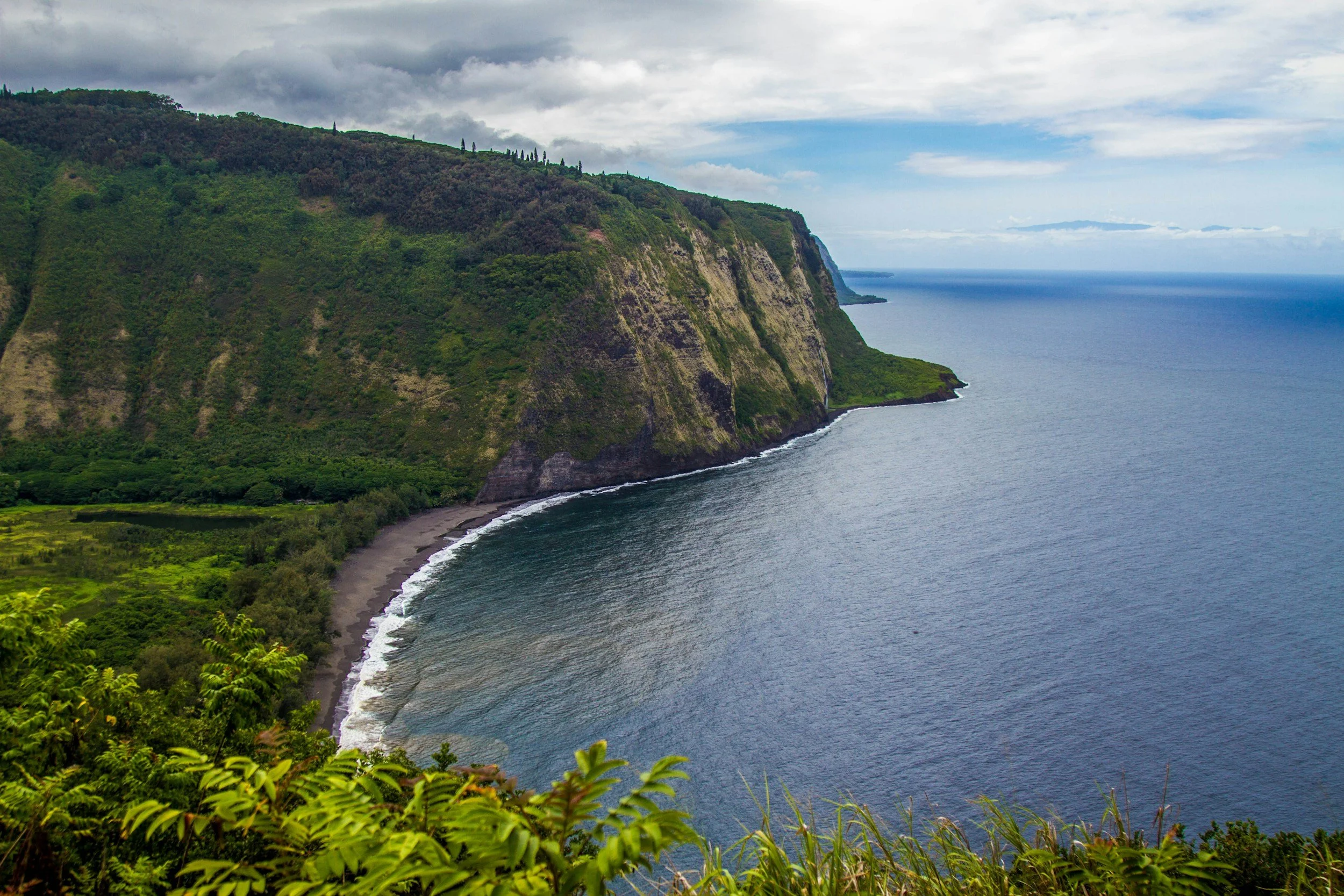
The eastern side of the island receives significantly more rainfall than Kona, which means you'll find incredibly green landscapes, tropical gardens, waterfalls, and a completely different atmosphere from the dry lava fields and resorts of the western coast.
Hilo is also a convenient home base if your elopement plans include waterfalls, tropical forests, or exploring the eastern side of the island. Hawaiʻi Volcanoes National Park is also much closer from Hilo than it is from the Kona or Kohala areas.
Instead of massive luxury resorts, accommodations around Hilo tend to include smaller hotels, inns, vacation rentals, and more intimate properties.
A few options to consider include:
Volcanoes national park
Best for: Hawaiʻi Volcanoes National Park, rainforest, privacy + adventure
If Hawaiʻi Volcanoes National Park is going to be a major part of your elopement experience, I highly recommend considering spending at least one or two nights in Volcano.
The small community of Volcano sits just outside the national park and feels completely different from the sunny beaches around Kona. Think misty rainforest, giant ferns, cooler temperatures, cozy cottages, and peaceful mornings surrounded by nature.
Staying here also makes exploring Hawaiʻi Volcanoes National Park so much easier. Instead of spending hours driving back to Kona after your elopement, you can stay just minutes from the park and give yourself much more time to explore.
This can be an especially amazing addition to a multi-day Big Island elopement. You could have your ceremony along the Kona or Kohala Coast, spend a few nights near the beach, and then move to Volcano for another day of exploring lava fields, rainforest, and the rugged southern coastline.
A few options to consider include:
Consider Splitting Your Stay
If you're planning to spend a week or more on the Big Island, you don't necessarily have to choose just one place to stay!
Because the island is so large and the landscapes are so different, splitting your trip between two areas can make exploring significantly easier.
For example, you could spend the first half of your trip staying along the Kona or Kohala Coast for beaches, snorkeling, sunsets, and your elopement ceremony. Then, spend a night or two in Volcano or Hilo to explore Hawaiʻi Volcanoes National Park, waterfalls, rainforests, and the eastern side of the island.
Not only does this cut down on long driving days, but it almost feels like experiencing two completely different Hawaiian vacations in one trip.
Pro Tip: If you are planning to be having guests at any point of the day for either a ceremony, intimate dinner, or reception, be sure to get an event-friendly rental! Not all vacation rentals are event friendly and nothing would be worse than getting kicked out by your host mid elopement experience! For all my tips on finding an event-friendly rental, view my blog on how to plan your Airbnb elopement.
Before booking your accommodations, send your photographer the listing! Your getting-ready space will likely be the first location photographed on your elopement day, so I always recommend looking for somewhere with large windows, plenty of natural light, neutral interiors, and enough space for both of you to comfortably get ready.
Big Island Elopement Activity Ideas
Eloping on the Big Island gives you the chance to make your wedding day feel like an entire experience rather than simply a ceremony and photos. Between the volcanic landscapes, black sand beaches, turquoise water, lush rainforests, waterfalls, incredible food, and some of the best stargazing in Hawaii, there are so many ways to create a day that actually feels like you.
Whether you want to spend your elopement adventuring across the island or keep things slow and intentional, here are some of my favorite Big Island elopement activity ideas:
Explore the volcanic landscapes of Hawaiʻi Volcanoes National Park
Drive Chain of Craters Road
Walk through a lava tube
Watch the sunrise or sunset along the Kona or Kohala Coast
Visit a black sand beach
Take a private sailboat or catamaran out on the water at sunset
Go snorkeling with manta rays at night
Go snorkeling together along the Kona Coast
Take a helicopter tour over volcanoes, waterfalls, rainforests, and the coastline
Go whale watching during humpback whale season
Explore waterfalls around Hilo and the Hāmākua Coast
Wander through a tropical botanical garden
Have a picnic overlooking the ocean
Go surfing or take a surf lesson together
Go paddleboarding or kayaking at sunrise
Spend the afternoon swimming and snorkeling at the beach
Hike through volcanic landscapes inside Hawaiʻi Volcanoes National Park
Explore the lush rainforest on the Hilo side of the island
Take a scenic drive along the Hāmākua Coast
Visit a Kona coffee farm and do a coffee tasting
Tour a cacao farm and taste locally made Hawaiian chocolate
Go horseback riding through the island's countryside
Take a scenic drive through Waimea and the rolling hills of North Hawaiʻi
Grab fresh poke from a local spot
Get shave ice together
Visit a local farmers market
Take a private boat charter for snorkeling, sailing, or sunset
Go on a dolphin-watching or wildlife boat tour
Hire a private chef to cook an intimate dinner at your accommodations
Book a traditional Hawaiian lūʻau for the evening
Have a private dinner overlooking the ocean
Go stargazing after sunset
Spend a morning exploring Kailua-Kona or Hilo together
Relax at your resort or book a couples massage
End your elopement day barefoot on the beach watching the sunset
And remember, you don't need to pack your Big Island elopement day with activities for it to feel adventurous. Your experience could be as simple as exchanging vows on the beach at sunrise, grabbing breakfast together, spending the afternoon snorkeling and swimming, and finishing the evening with dinner and sunset along the Kona Coast.
Or you could turn your celebration into a multi-day Big Island elopement. Have your ceremony and beach portraits on day one, then spend the next day exploring Hawaiʻi Volcanoes National Park, snorkeling with manta rays, visiting waterfalls near Hilo, sailing along the Kona Coast, or doing something completely different together.
A multi-day experience can work especially well on the Big Island because the island is so large. Instead of trying to squeeze a beach, rainforest, waterfall, and volcanic landscape into one wedding day, you can slow everything down and experience completely different sides of the island over a few days.
The goal isn't to do everything the Big Island has to offer. It's to choose a few experiences that you're genuinely excited about and build a wedding day that feels less like a checklist and more like an incredible vacation where you also happen to get married.
Big Island Elopement Timeline Examples
One of the best parts about eloping on the Big Island is that your wedding day doesn't have to follow a traditional timeline. You can exchange vows at sunrise, spend the afternoon snorkeling, explore volcanic landscapes, have dinner overlooking the ocean, or turn your celebration into a multi-day adventure.
Because the Big Island is so spread out, I recommend building your timeline around one general area of the island whenever possible. Trying to fit Kona, Hilo, Hawaiʻi Volcanoes National Park, and the Kohala Coast into one day can mean spending way too much of your elopement in the car.
Here are a few examples of what your Big Island elopement timeline could look like:
8 Hour Kona + Kohala coast elopement
12:30 PM – Getting-ready photos at your resort or vacation rental
1:30 PM – First look and private vows at your accommodations
2:15 PM – Head out for an afternoon adventure
3:00 PM – Go snorkeling, explore the coastline, or stop for fresh poke together
4:30 PM – Change or freshen up before your ceremony
5:15 PM – Arrive at your beach ceremony location
5:30 PM – Exchange vows along the coast
6:00 PM – Sunset portraits on the beach and lava-rock coastline
7:00 PM – Pop champagne or enjoy a small picnic together
7:30 PM – Head to an oceanfront restaurant or return to your accommodations for a private chef dinner
8:30 PM – Photography coverage ends
Two-Day Big Island Elopement
Can't fit everything you want to experience into one day? You don't have to! A two-day elopement gives you the freedom to include your family while still having an entire adventure that's just for the two of you.
Day One – Kona + Kohala Coast
2:00 PM – Getting-ready photos at your resort
3:00 PM – First look
3:30 PM – Private beach picnic or time together along the coast
4:30 PM – Head to your ceremony location
5:00 PM – Exchange vows on the beach
5:30 PM – Explore the coastline and take portraits
6:30 PM – Watch sunset together
7:30 PM – Private chef dinner or oceanfront dinner
Day Two – Volcano Adventure
1:00 PM – Meet at Hawaiʻi Volcanoes National Park
1:30 PM – Explore lava fields, rainforest, and volcanic landscapes
3:30 PM – Take a short hike together
5:00 PM – Picnic overlooking the landscape
6:00 PM – Explore Chain of Craters Road
7:00 PM – Sunset portraits
8:00 PM – Stargazing and nighttime photos
4 Hour sunrise Elopement
5:30 AM – Meet at your accommodations for getting-ready photos and final details
6:15 AM – Head to your ceremony location
6:30 AM – Exchange vows on the beach around sunrise
7:00 AM – Explore the coastline and take portraits together
8:00 AM – Celebrate with a picnic, coffee, or breakfast on the beach
8:45 AM – Visit a second nearby location for portraits
9:30 AM – End photography coverage and spend the rest of the day swimming, snorkeling, or relaxing together
10-Hour Hilo + Volcano Elopement
10:30 AM – Getting-ready photos at your accommodations near Hilo
11:30 AM – First look
12:00 PM – Explore a tropical garden, private waterfall, or rainforest location
1:30 PM – Stop for lunch together
2:30 PM – Begin making your way toward Hawaiʻi Volcanoes National Park
3:30 PM – Arrive at the park and explore the volcanic landscape
5:00 PM – Picnic and time to relax together
5:45 PM – Exchange vows at your permitted ceremony location
6:15 PM – Sunset portraits
7:15 PM – Explore another nearby location as the light fades
8:00 PM – Stargazing and nighttime portraits
8:30 PM – Photography coverage ends
Your Timeline Doesn't Have to Look Like a Traditional Wedding Day
These timelines are only starting points. You can completely customize your Big Island elopement around the locations you love, the people you want there, and the experiences you want to have.
You don't have to spend eight straight hours taking photos, either. We can build breaks into your timeline, split coverage between sunrise and sunset, or spread everything across multiple days.
Your elopement day should feel less like a photoshoot and more like the best day of your trip to Hawaii — with getting married right in the middle of it.
Big Island Elopement Packages
I’m much more than a photographer, I’m someone who is super passionate about supporting couples on their big day, from scouting hidden gems for the ideal location, stress-free planning, and of course capturing raw, authentic moments. As a photographer specializing in adventure elopements, you’ll be in safe hands. So, are you ready to say yes to the Big Island?! More information on my packages below:
Packages
4 hours, 8 hours, 12 hours, or 2 Day elopement photography
Photography on digital, film, and drone (where permitted)
A personalized elopement planning experience with unlimited assistance
Personalized elopement location recommendation list
Vendor, lodging, and activity recommendations
Custom-built-for-you elopement timeline
Assistance to help you with permits and licenses
90+ page elopement planning guide with my best tips & tricks
Optional complimentary officiant services
Online gallery with full resolution images and printing rights
5-7 day sneak peeks
Travel fees to anywhere in the United States are already included
Starting at $7,000
Video Add-Ons
For an extra special, immersive reminder of your special day, I now offer the following options for video add ons to your elopement packages:
Documentary style highlight reel
Super 8 film
Starting at $3,000