
How to Elope in Patagonia in 2026
If you’ve ever dreamed of saying your vows somewhere that feels truly wild and untouched, Patagonia might be one of the most magical places on earth to elope. This region stretches across southern Chile and Argentina and is famous for jagged granite peaks, massive glaciers, turquoise lakes, and endless open landscapes.
It’s the kind of place where you can wake up in a cozy lodge surrounded by mountains, hike to a viewpoint for your ceremony, pop champagne overlooking a glacier, and finish the day watching the sunset over one of the most dramatic landscapes in the world.
Because Patagonia is remote, weather-driven, and incredibly vast, planning an elopement here looks a little different than planning one in a typical destination. In this guide, I’ll walk you through everything you need to know—from the best locations to travel tips—so you can plan an unforgettable Patagonia elopement adventure.
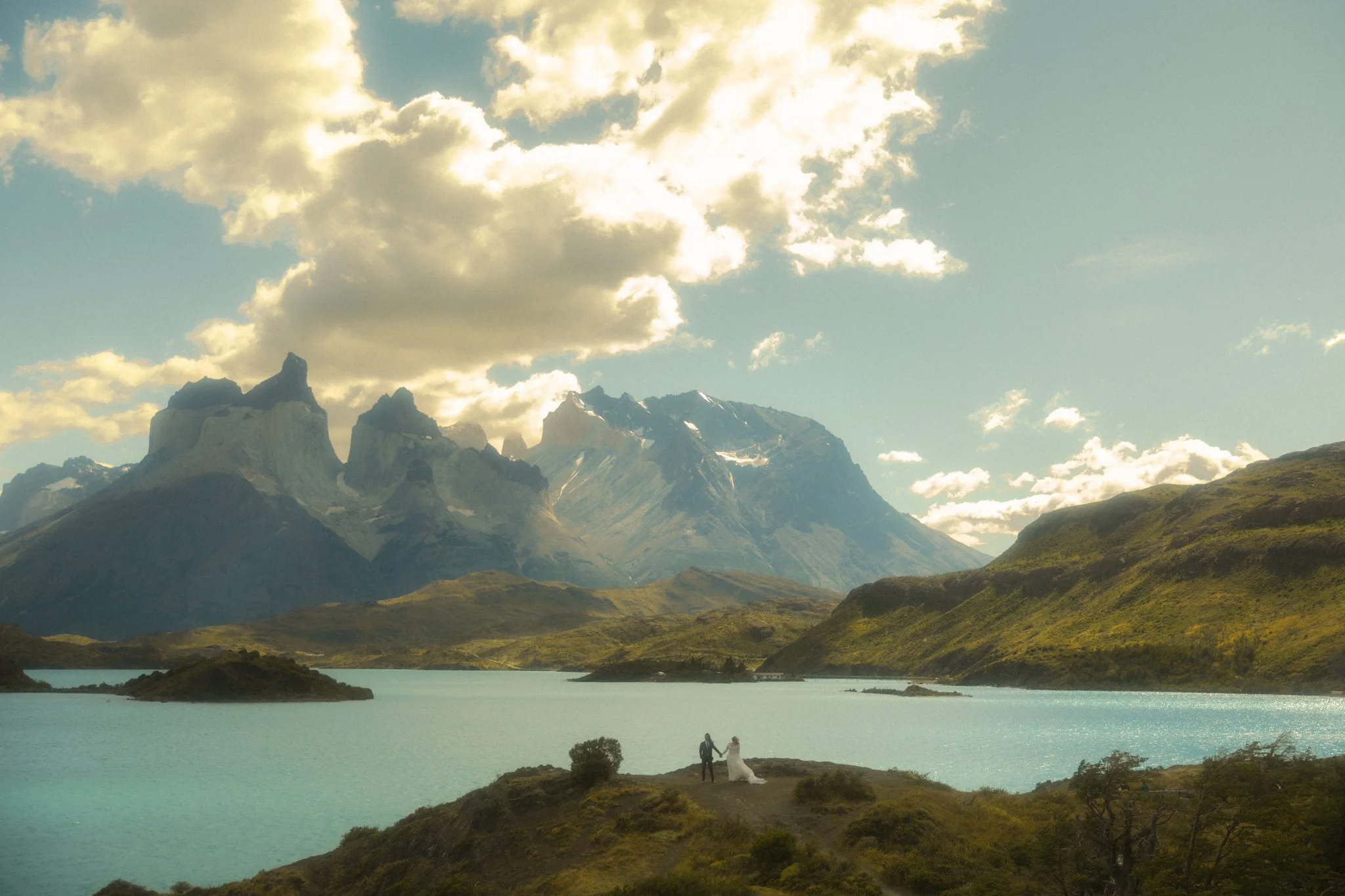
How To Get To Patagonia
By Plane:
Because Patagonia spans two countries, travel logistics can vary depending on where you want to elope.
Most couples will fly into one of these gateway cities:
• El Calafate, Argentina – best for Los Glaciares National Park and El Chaltén
• Puerto Natales, Chile – closest airport to Torres del Paine
• Punta Arenas, Chile – another common entry point for Torres del Paine, typically a bigger airport with more flight options and rates. Flying in here will put you at a 3 hour drive to Puerto Natales.
Because Patagonia is remote, it’s best to build extra travel days into your itinerary in case of weather delays.
By Car:
From these cities, you’ll definitely want to rent a car to get around the parks and have the most travel flexibility. Most lodging areas and amenities such as groceries and gas are located outside of the parks. For example, Puerto Natales will be the closest hub of gas stations and groceries to Torres del Paine and is about a 1.5 - 2 hour drive to the park.
I’d recommend renting at least an SUV or a truck! The roads within the parks are mostly rough gravel roads and travel is very slow going. It is not uncommon to come across large pot holes. Having a larger vehicle also means having a bit more stability with the high winds. I’d recommend having AWD or 4WD.
U.S. citizens can legally drive in Chile or Argentina with a valid U.S. driver’s license, but an International Driving Permit (IDP) is strongly recommended and easy to obtain before your trip (only $20 from AAA!)
It is also worth noting that in many locations throughout the region, there will be gas station attendants who will pump your gas for you rather than the self - service process we are used to in the United States.
Pro Tip: Download offline Google Maps before you arrive. Cell service can drop in tunnels, mountain passes, and remote fjord areas—and trust me, getting lost between waterfalls isn’t as romantic as it sounds.
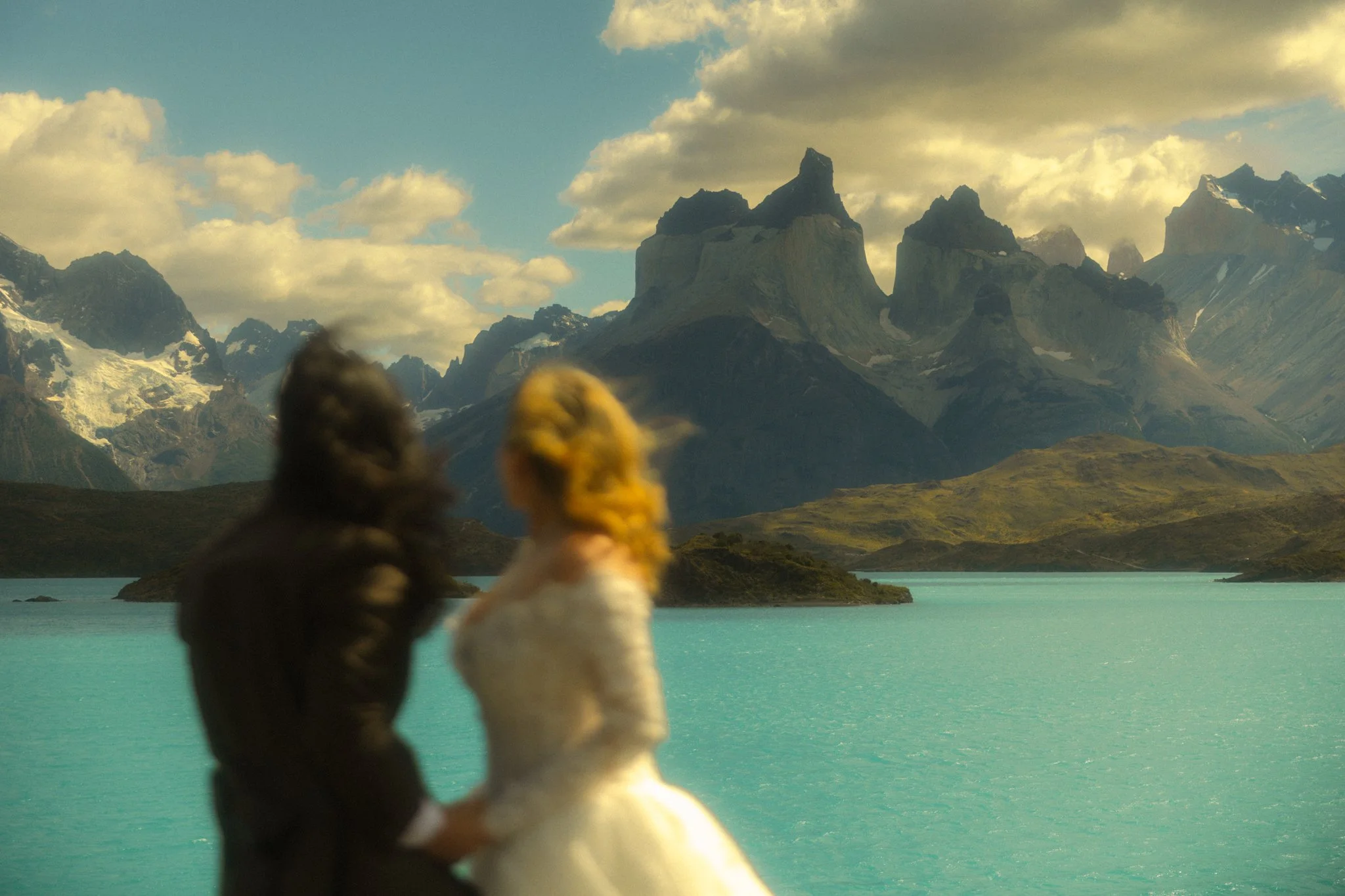
The Best Time Of Year To Elope In Patagonia
Choosing the best season is one of the most important parts of planning a Patagonia elopement because weather and accessibility change dramatically throughout the year.
Summer (December–February)
Summer is the most popular season to visit Patagonia and generally offers the warmest temperatures and the longest daylight hours. This is also my advised time to plan an elopement in Patagonia for the best consistent weather.
During peak summer, daylight can last up to 17–18 hours, which gives couples plenty of time to explore and take photos in multiple locations.
However, summer is also known for strong winds, especially in Torres del Paine. It is not uncommon to experience 40 - 70 mph winds in the park during the summer months.
Spring (October–November)
Spring is one of the most beautiful times to elope in Patagonia. Snow begins melting in the mountains, wildflowers start blooming, and wildlife becomes more active.
Crowds are typically smaller than summer, which makes this a great time for couples who want a quieter experience.
Fall (March–April)
Fall is one of Patagonia’s hidden gems. Forests turn golden and red, the crowds begin to disappear, and winds are often calmer than peak summer months.
If you love fall colors and dramatic scenery, autumn can be an incredible time to elope in Patagonia.
Winter (May–September)
Winter in Patagonia is cold and many hiking trails and lodges close for the season. Some areas remain accessible, but winter elopements usually require careful planning.
For most couples, spring through early fall is the best time to plan a Patagonia elopement.
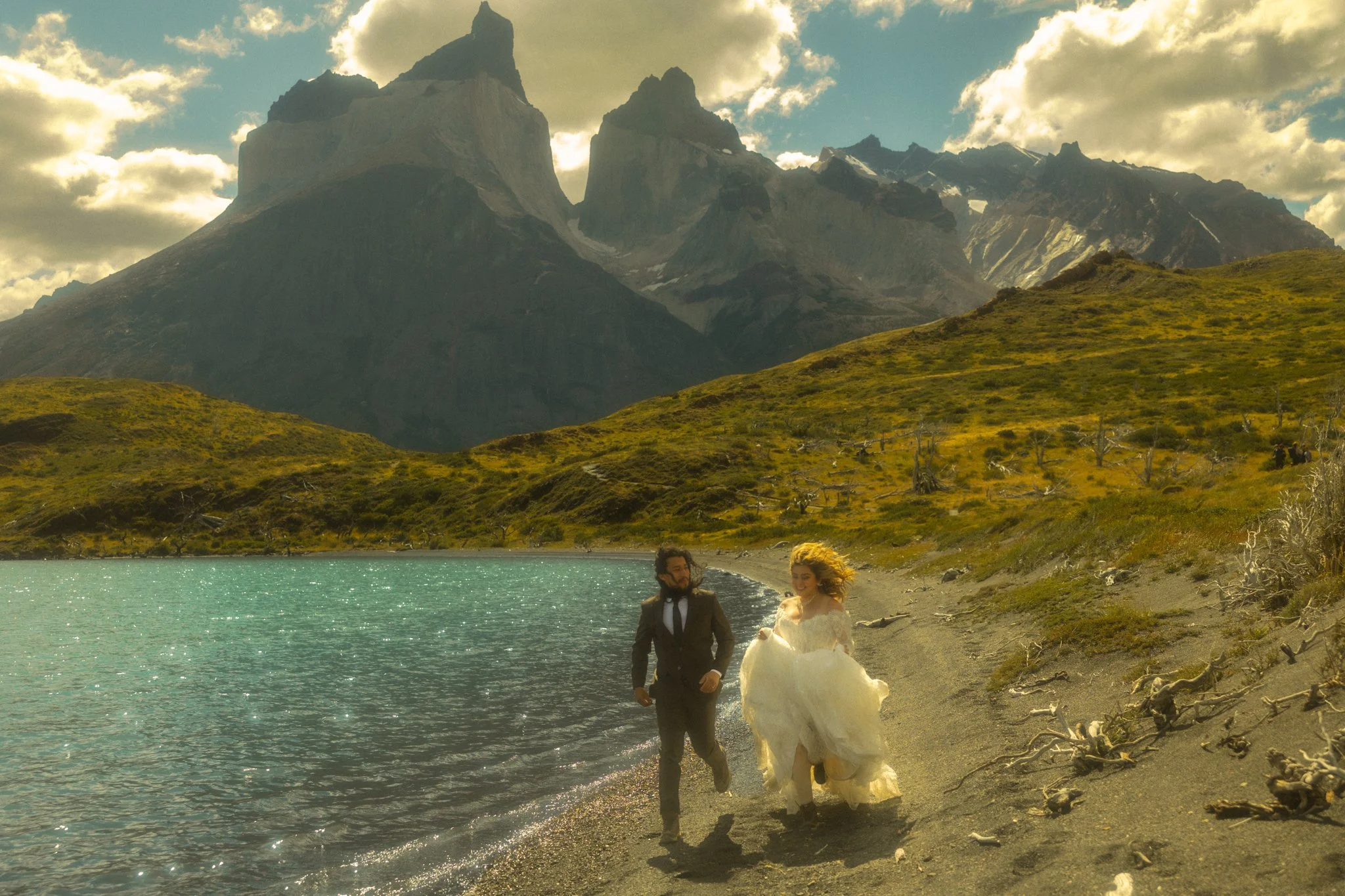
The Best Places to Elope in Patagonia
Patagonia spans thousands of miles across both Chile and Argentina, so there are endless places you could choose for your elopement. Some areas are famous for iconic mountain views, while others offer glaciers, remote lakes, or dramatic windswept landscapes.
Here are a few of the most incredible locations to consider.
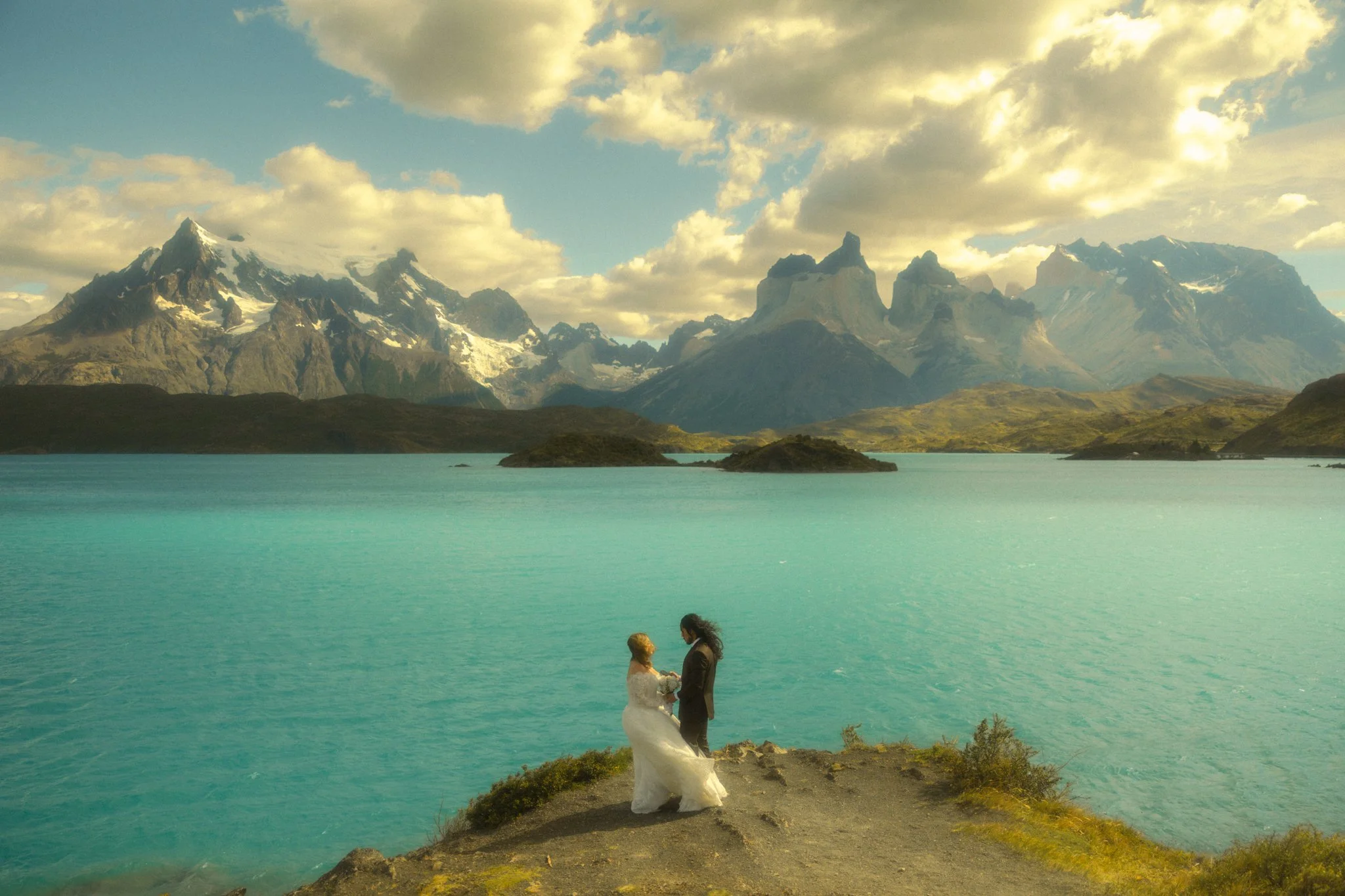
Torres del Paine National Park (Chile)
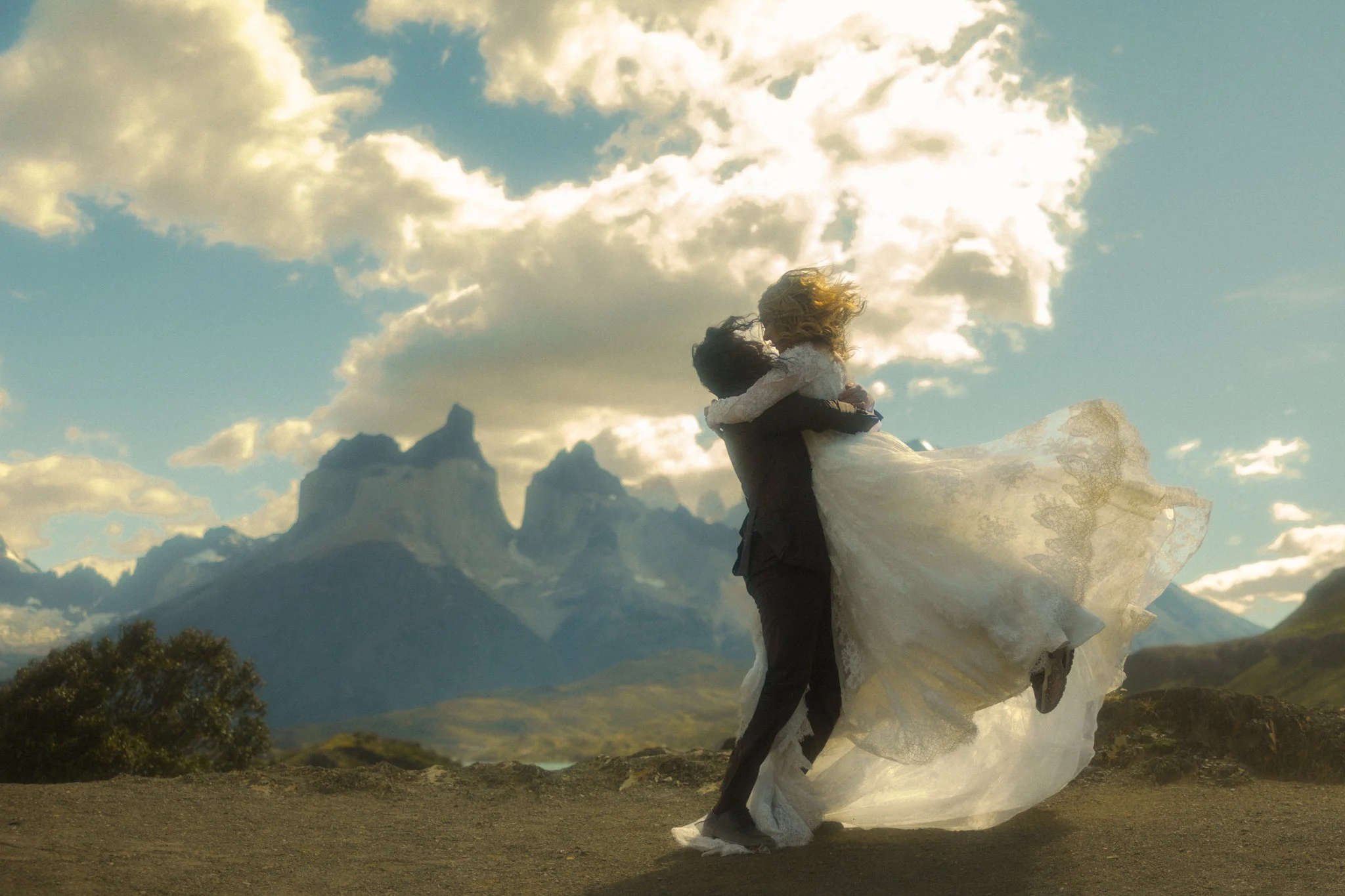
Torres del Paine National Park is the most famous destination in Patagonia and one of the most spectacular national parks in the world. Known for its towering granite spires, electric blue lakes, waterfalls, and massive glaciers, it’s an unforgettable place to exchange vows.
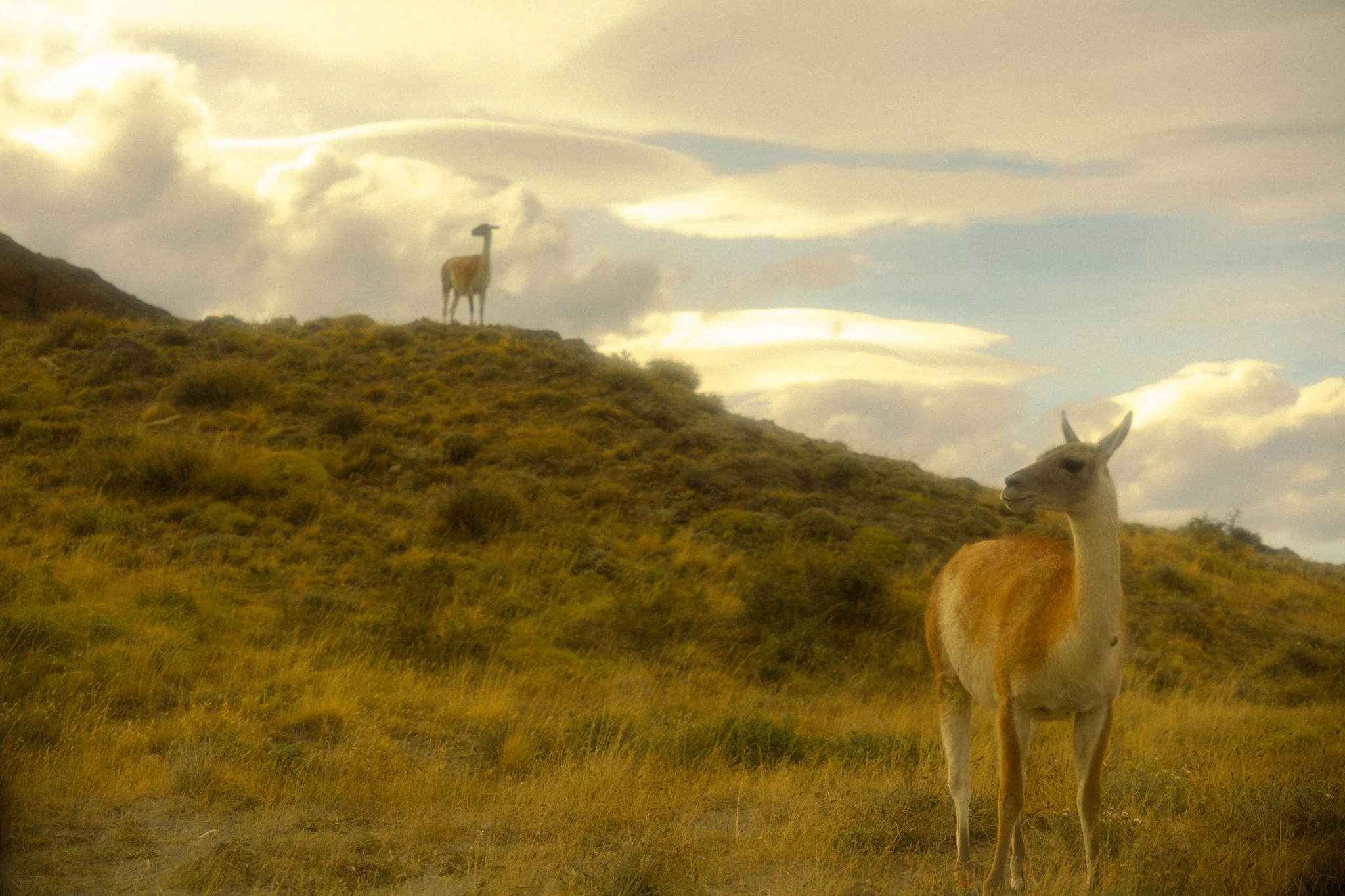
Couples who choose a Torres del Paine elopement can explore scenic viewpoints, hike to alpine lakes, or have a ceremony overlooking the iconic Paine Towers. Wildlife sightings—including guanacos, foxes, and condors—are also common here.
The park also offers incredible lodges and scenic drives, making it a great option for couples who want epic views without needing extremely long hikes.
El Chalten & Mount Fitz Roy (Argentina)
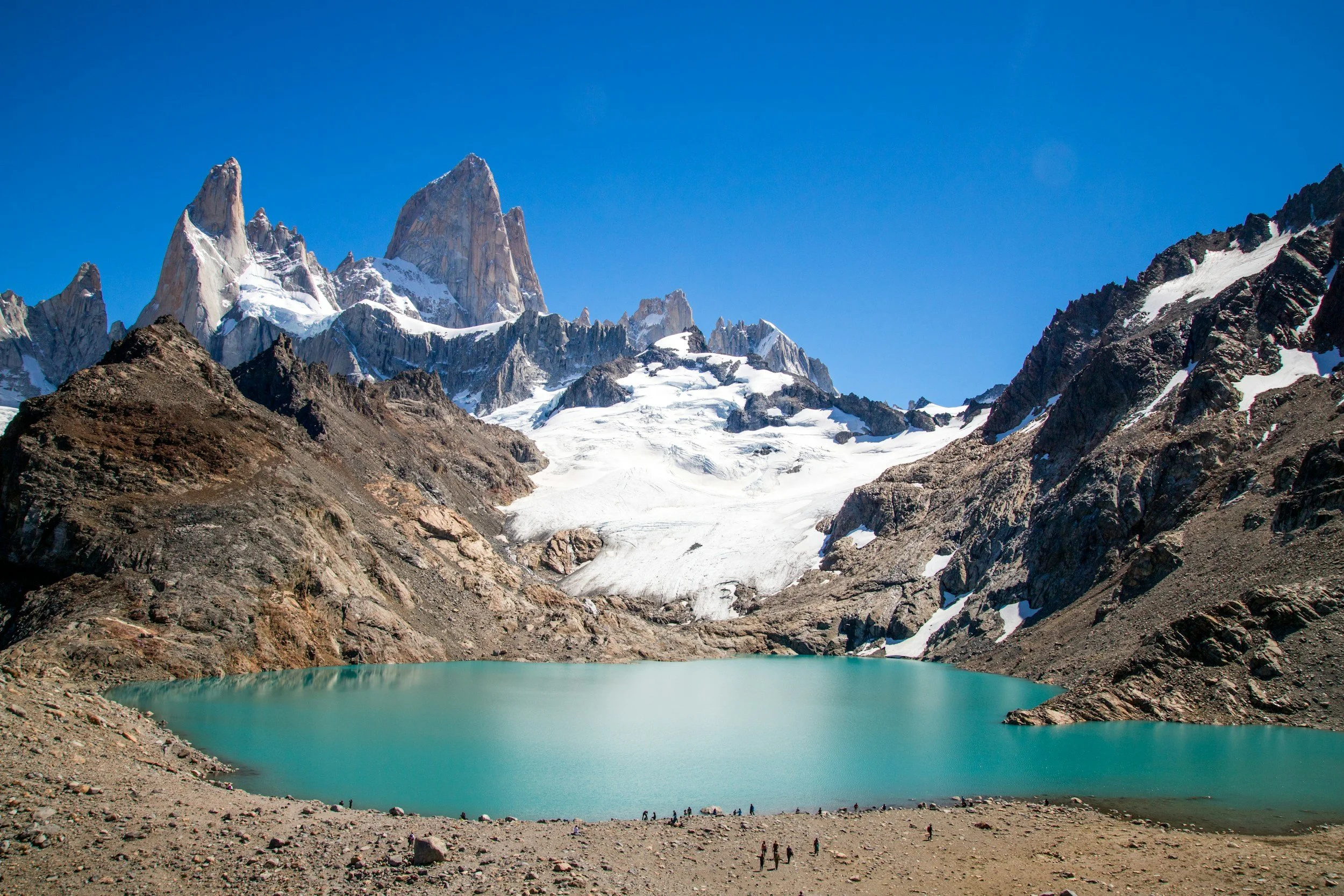
El Chaltén is known as the trekking capital of Argentina and sits at the base of the legendary Mount Fitz Roy, one of the most recognizable peaks in Patagonia.
This region is perfect for couples who want a hiking-focused elopement. Trails lead to glacier-fed rivers, alpine meadows, and bright turquoise lakes.
One of the most iconic viewpoints is Laguna de los Tres, where the jagged Fitz Roy massif rises dramatically above the lake. Sunrise ceremonies here are especially breathtaking.
Los Glaciares National Park (Argentina)
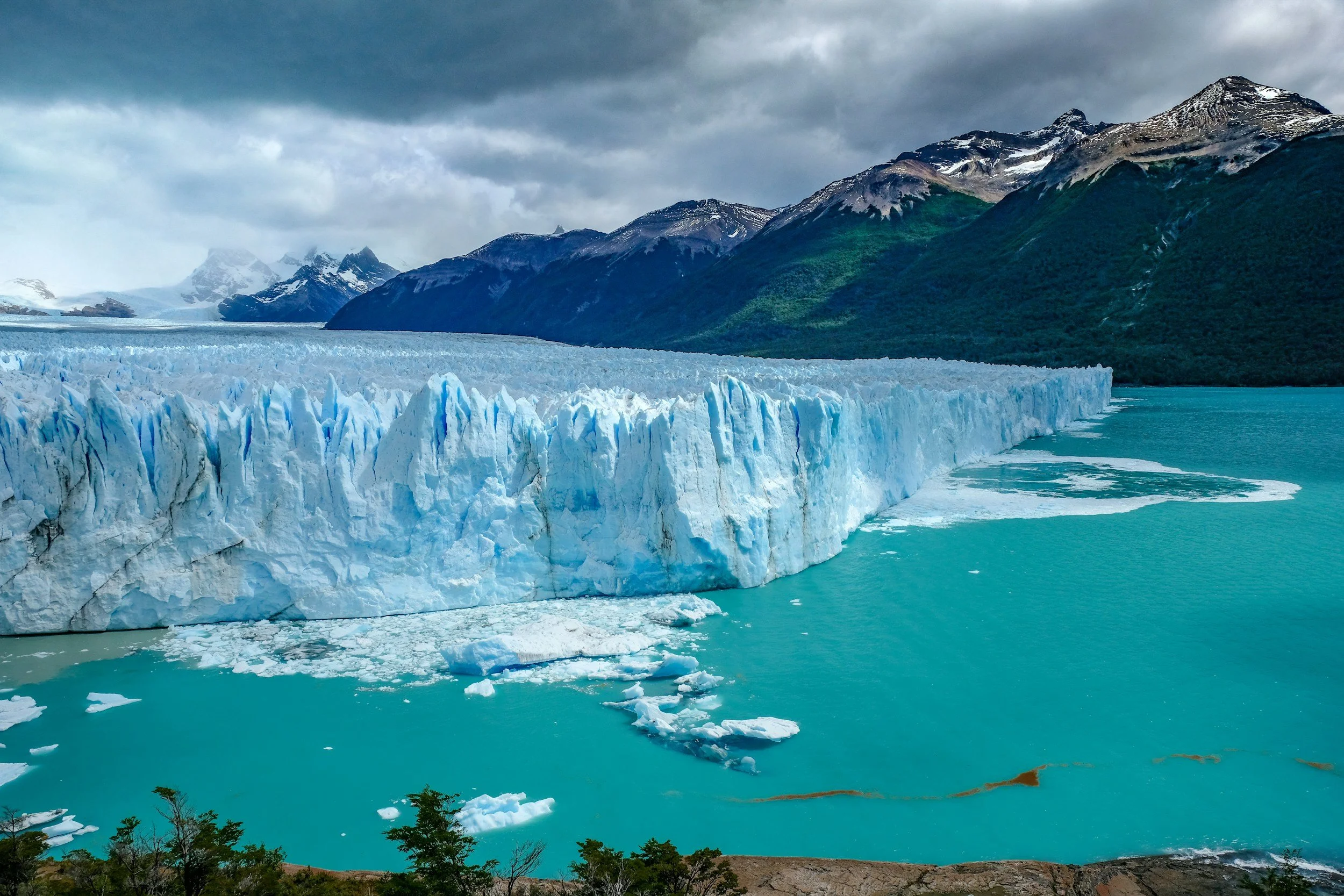
Los Glaciares National Park is home to massive ice fields and the famous Perito Moreno Glacier, one of the few glaciers in the world that is still advancing.
This region offers a unique mix of glaciers, alpine mountains, and expansive lakes. Couples can explore glacier viewpoints, take boat tours near the ice walls, or even do glacier trekking adventures.
For couples dreaming of a glacier elopement in Patagonia, this area is an incredible choice.
Tierra del Fuego (Argentina & Chile)
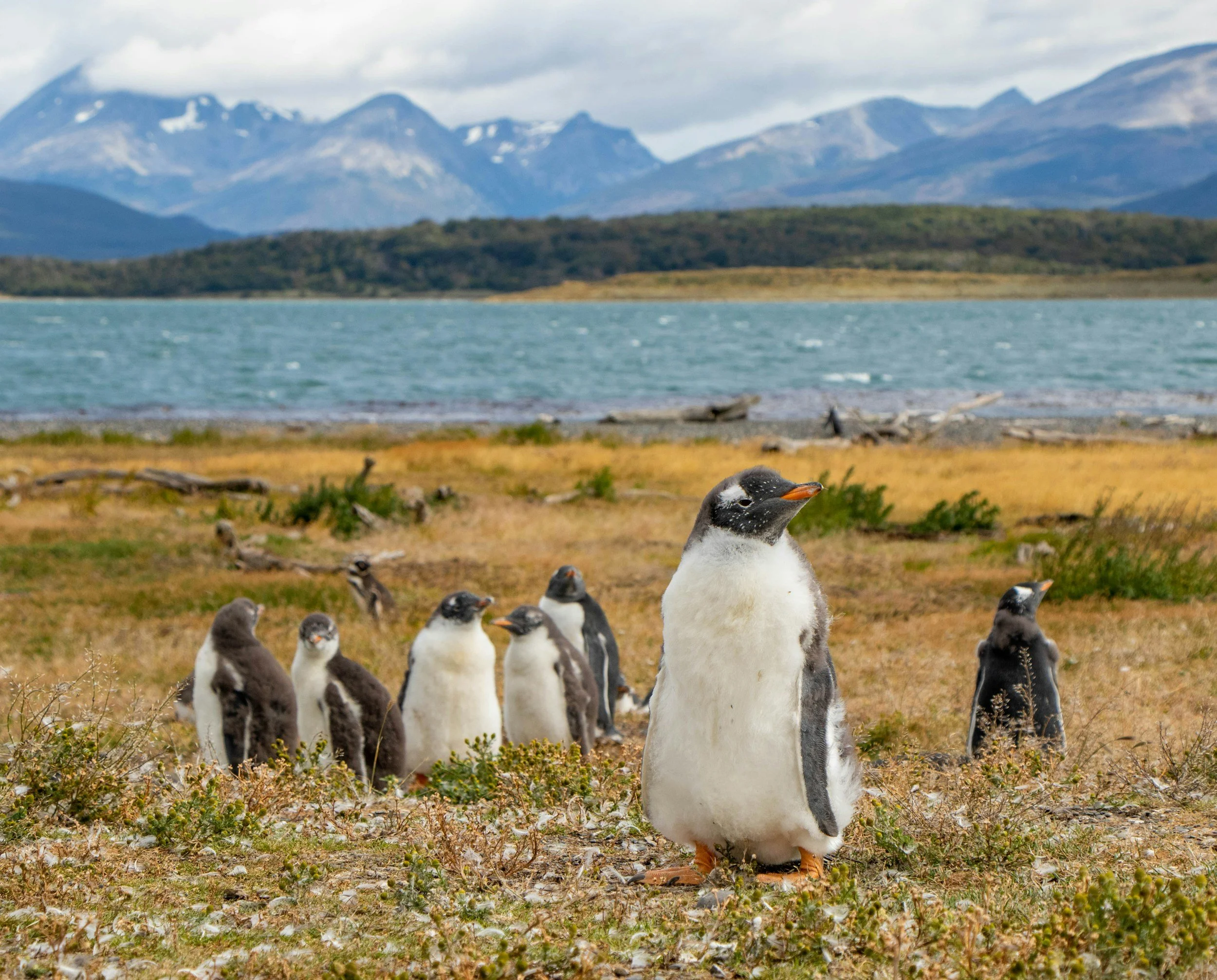
Located at the southern tip of South America near Ushuaia, Tierra del Fuego feels like the edge of the world.
This region offers dramatic coastlines, rugged mountains, windswept forests, and remote landscapes that feel incredibly wild. If you're looking for a Patagonia elopement that feels truly off-the-beaten-path, Tierra del Fuego is an amazing option.
Do We Need a Permit to Elope in Patagonia?
Many national parks in Patagonia require permits for ceremonies or professional photography, particularly in popular areas like Torres del Paine National Park.
Permit rules can vary depending on the location and size of your group, so it’s important to check park regulations ahead of time.
In most cases, small elopements with just the couple and a photographer are relatively easy to accommodate, but larger groups may require additional planning.
Working with an experienced photographer or local planner can help ensure everything follows park guidelines.
Can Foreigners Get Married in Patagonia?
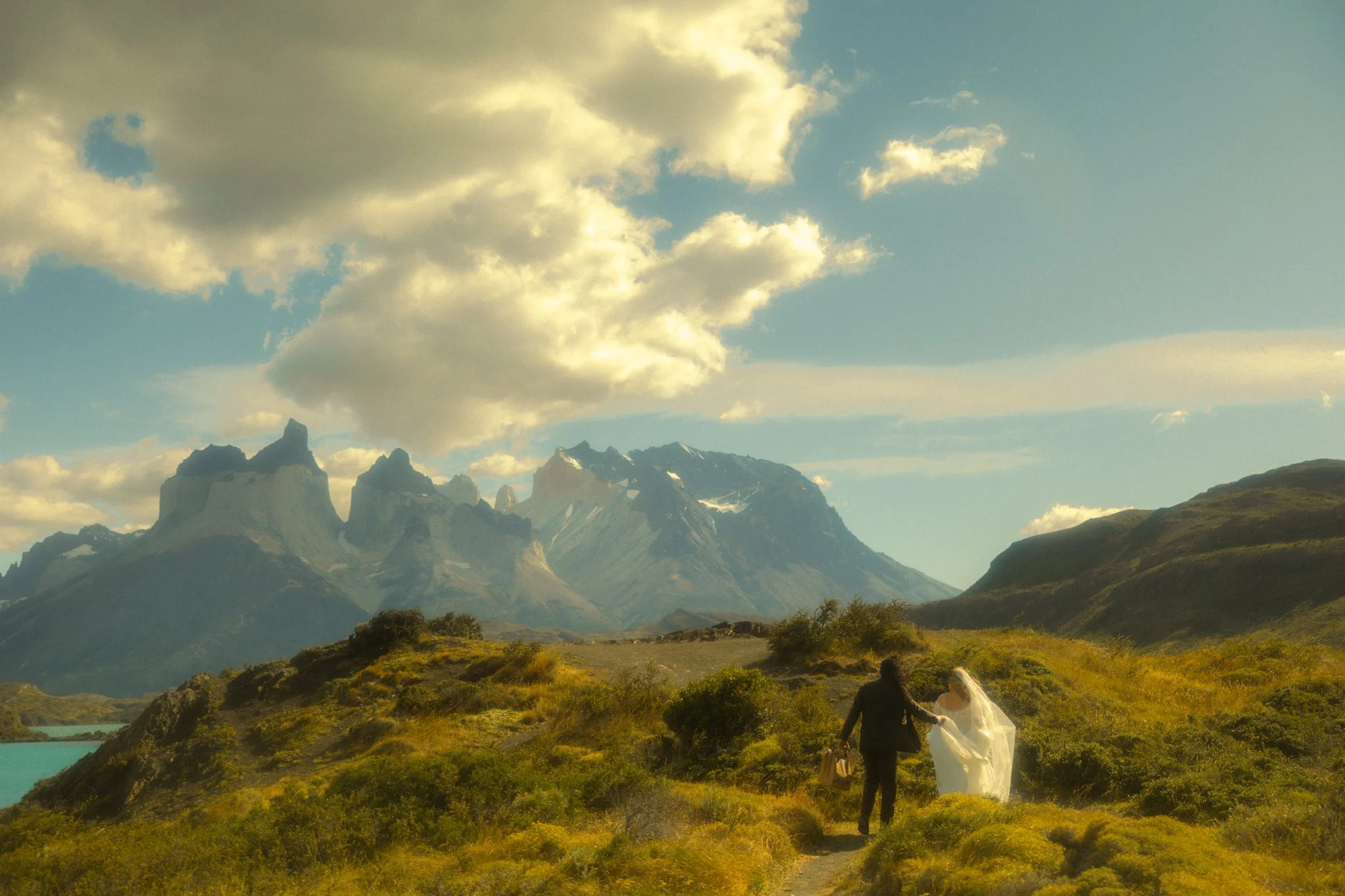
Yes, foreigners can legally get married in Patagonia, but the process can be more complicated than many couples expect, especially since Patagonia spans two different countries: Chile and Argentina. Each country has its own legal requirements, paperwork, and timelines for marriage.
In Chile, couples typically need to work with a civil registry office, provide translated legal documents, and have witnesses present for the ceremony. In Argentina, the process can involve similar requirements, including documentation, translations, and appointments with local government offices.
Because the legal process can take time and often requires paperwork to be completed before arriving in the country, many couples choose a simpler route. It’s very common for international couples to legally marry in their home country first and then have a symbolic ceremony in Patagonia.
This allows couples to focus on the experience of their elopement—exploring the landscapes, exchanging private vows, and celebrating in nature—without worrying about navigating international marriage laws while traveling.
For most couples planning a Patagonia adventure elopement, completing the legal paperwork at home and treating their Patagonia ceremony as the meaningful celebration is the easiest and most stress-free option.
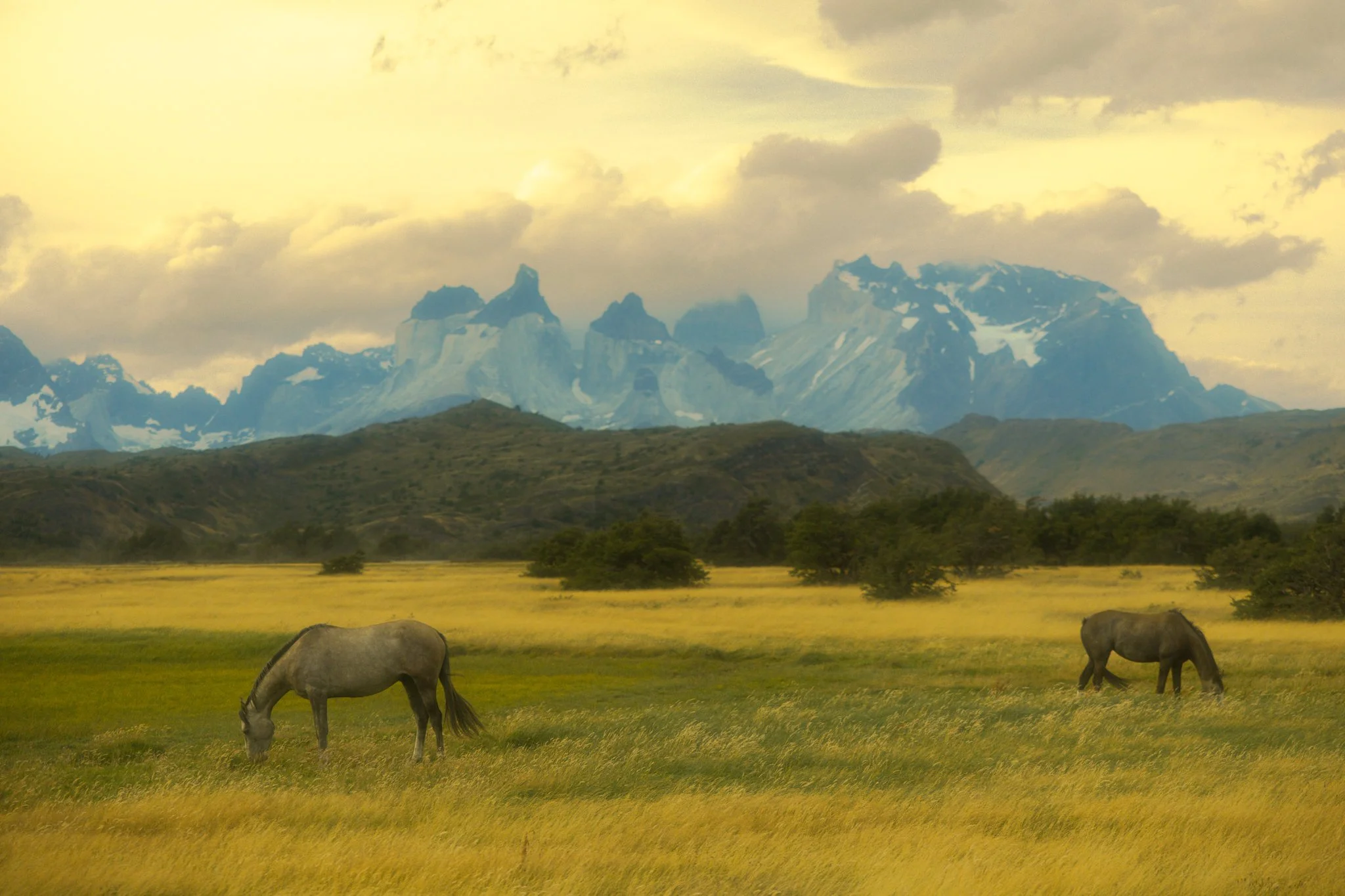
Where To Stay For Your Patagonia Elopement
Because Patagonia is remote, choosing the right place to stay can make a big difference in your experience.
Many couples choose lodges located inside or near national parks so they can wake up surrounded by incredible scenery.
Puerto Natales
Gateway town for Torres del Paine with cozy hotels, restaurants, and access to tours.
Inside the Park (note that there are no gas stations or grocery stores inside the park)
El Chaltén
A small mountain town with easy access to incredible hiking trails and Fitz Roy views.
El Calafate
A larger town near Los Glaciares National Park and the Perito Moreno Glacier.
Ushuaia
The southernmost area of Patagonia with direct access to Tierra del Fuego.
Pro Tip: If you are planning to be having guests at any point of the day for either a ceremony, intimate dinner, or reception, be sure to get an event-friendly rental! Not all vacation rentals are event friendly and nothing would be worse than getting kicked out by your host mid elopement experience! For all my tips on finding an event-friendly rental, view my blog on how to plan your Airbnb elopement.
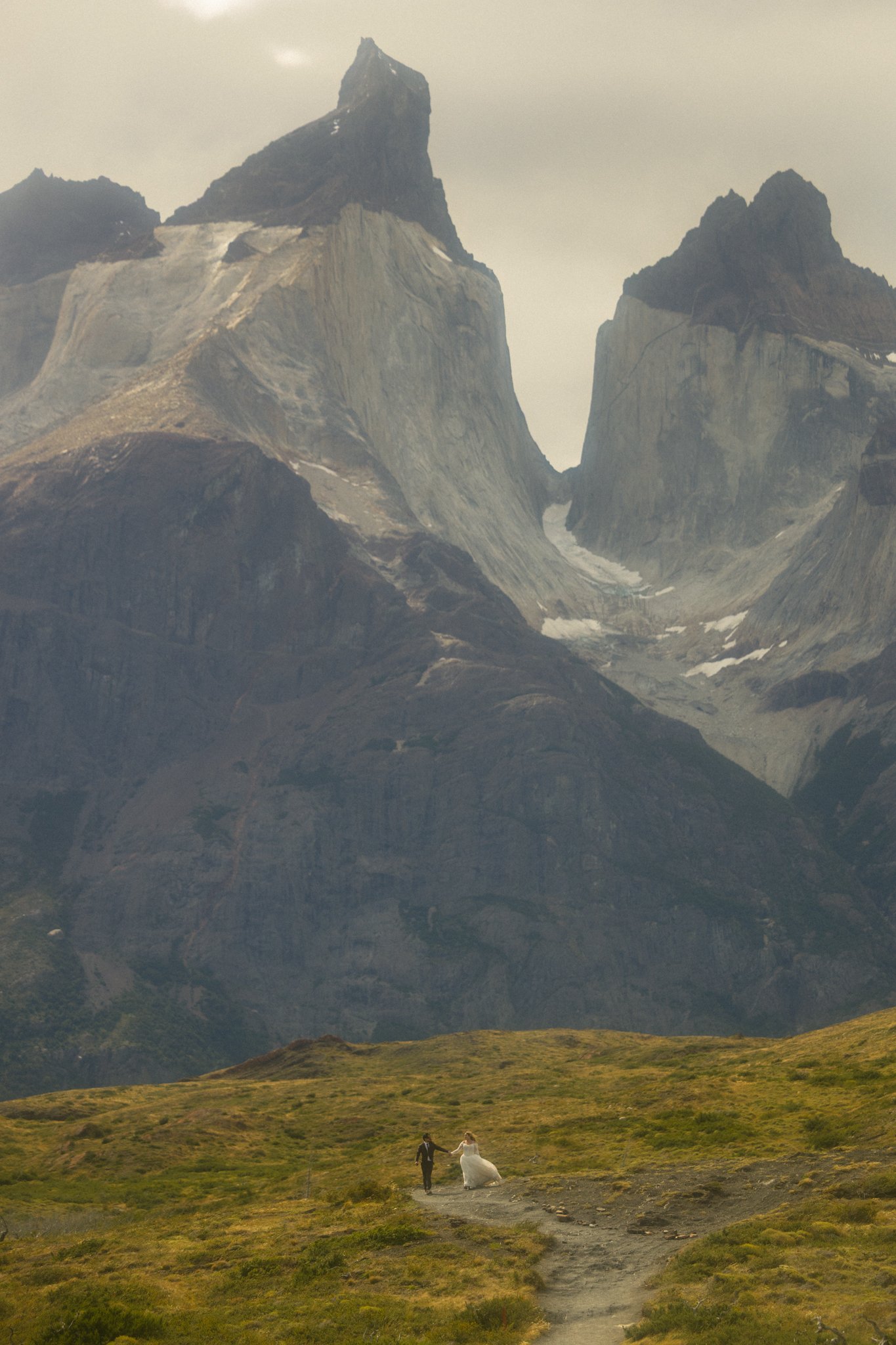
Patagonia Elopement Activity Ideas
One of the best parts about eloping in Patagonia is that your wedding day can feel like a true adventure rather than a traditional event.
Here are some incredible ways to make your elopement day unforgettable.
Kayaking on a glacial lake
Exploring glaciers or taking a glacier trekking tour
Horseback riding through Patagonia
Take a helicopter tour
Taking a scenic drive through Torres del Paine
Sharing a picnic overlooking a turquoise lake
Ride the End of the World Train from Ushuaia to Tierra del Fuego
Watching wildlife like guanacos, condors, and foxes
See the penguins at one of the southern islands
Taking a boat tour to see massive glaciers
Stargazing in Patagonia’s incredibly dark skies
Celebrating with a cozy dinner at a mountain lodge
Watch the colorful sunrise in Torres del Paine
Hiking to a mountain viewpoint for your ceremony
Take a boat ride to the Marble Caves
Patagonia is massive and wild, so your elopement day can truly feel like a once-in-a-lifetime adventure.
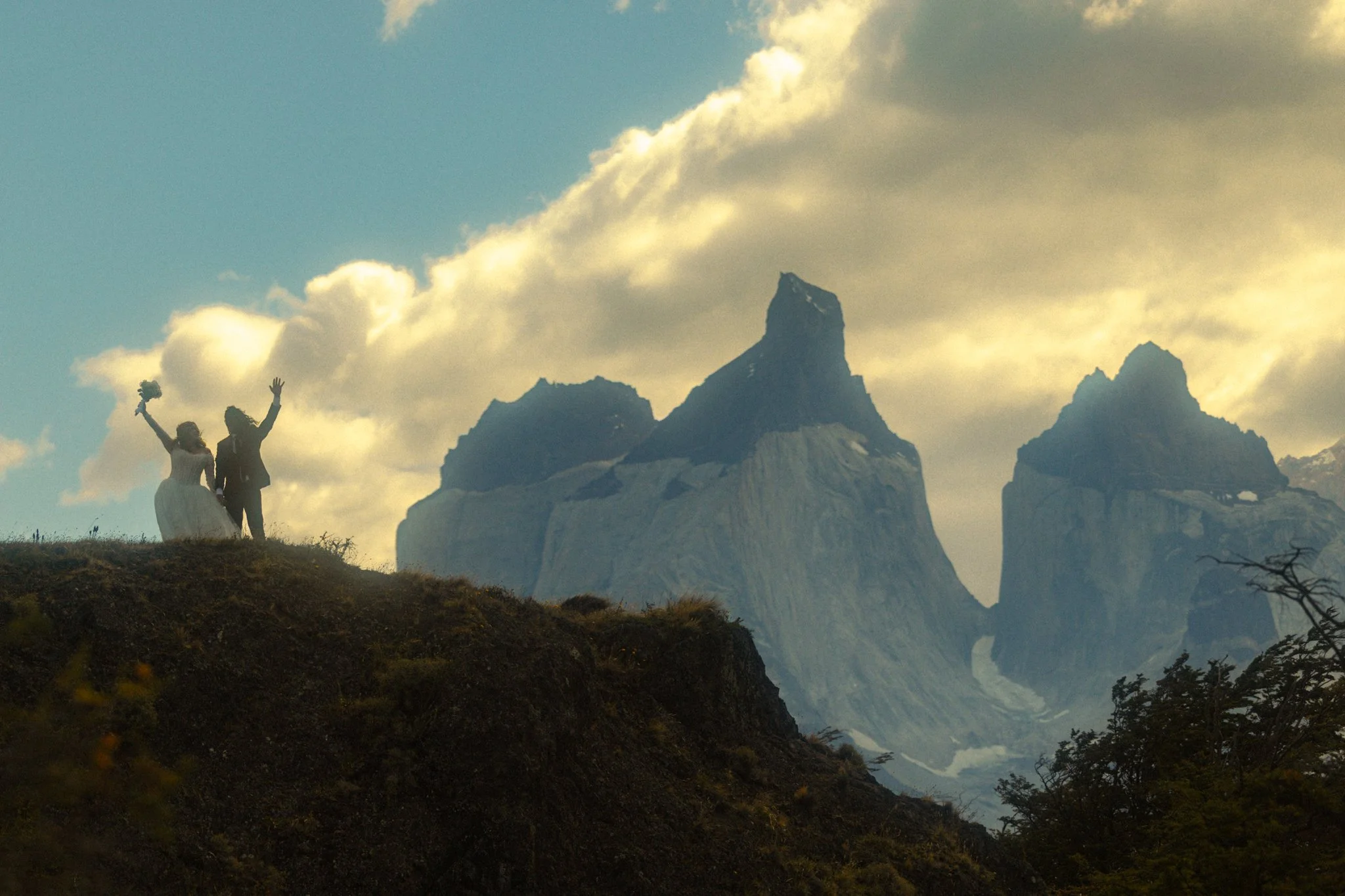
Patagonia Elopement Timeline Examples
Not sure exactly how much time you need for your dream Patagonia elopement? Here are a few timeline examples to help you get a feel for what might be the best fit! I always recommend a multi day elopement for this area just because of how unpredictable the weather is. Having multiple days allows you to have flexibility to roll with the punches of the weather.
Day 2 - Elopement Ceremony
Slow morning getting ready at your lodge
Private first look
Ceremony at a mountain viewpoint
Picnic celebration
Golden hour portraits
Day 1 - Adventure Session
Sunrise hike at Lago Pehoe
Horseback riding through the park
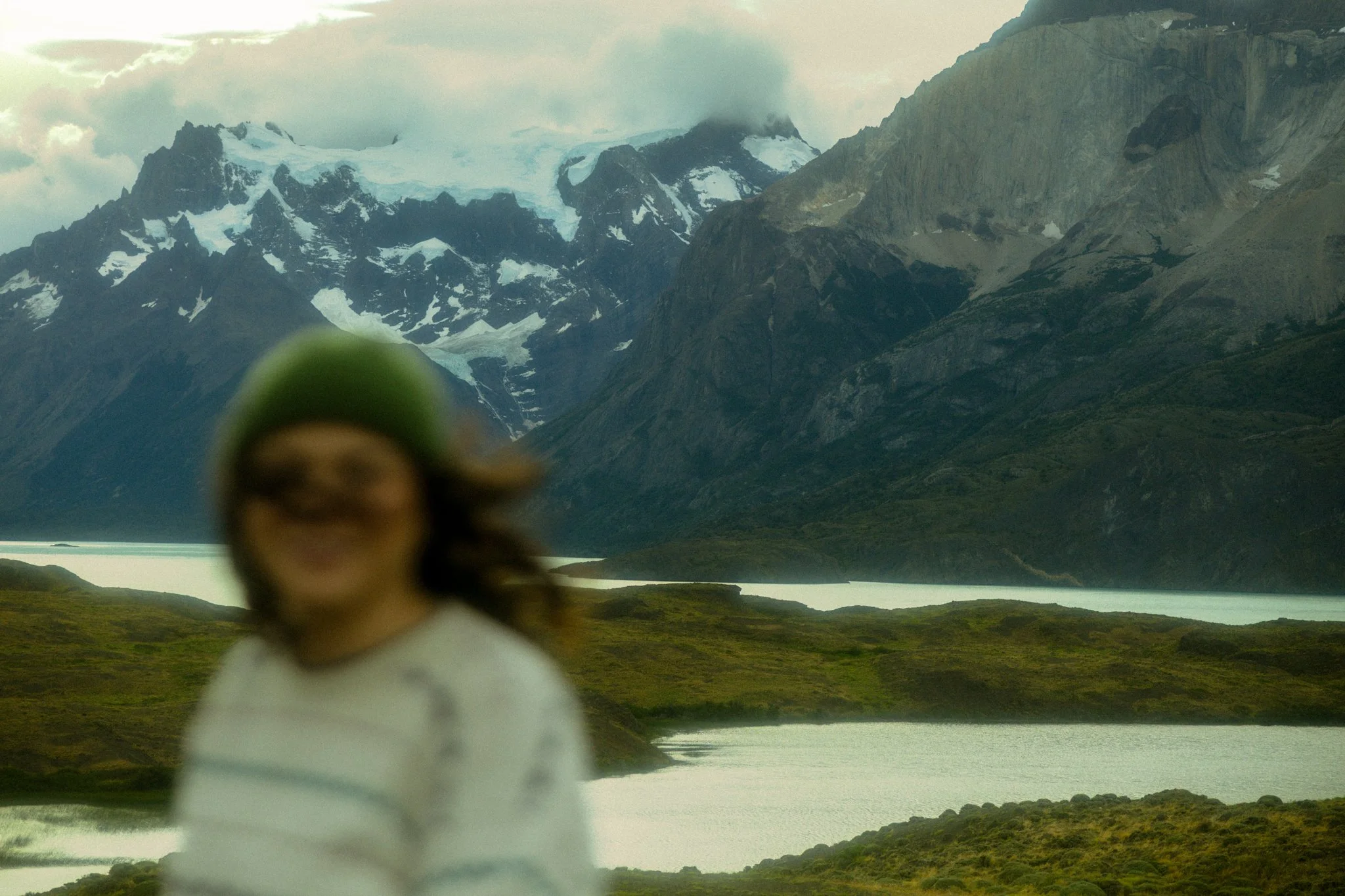
Must Know Patagonia Elopement and Travel Tips
Patagonia is wildly beautiful — but it’s also vast, weather-driven, and logistically unique. A little preparation goes a long way in making your elopement smooth, stress-free, and truly unforgettable.
Here’s what couples need to know before they go:
The Weather is Extremely Unpredictable
Patagonia is famous for rapidly changing weather conditions. It’s not uncommon to experience strong winds, sunshine, and rain all in one day.
Building flexibility into your timeline is essential.
Give Yourself Extra Days
Because weather conditions can shift quickly, it’s best to allow several days around your elopement date so you can choose the best weather window.
Pack for All Seasons
Even during summer, temperatures can still be cool and windy (like 40s-50s and 50mph winds), so warm layers are essential. Patagonia is famous for its unpredictable weather. It’s common to experience sun, wind, rain, and clouds all in a single day.
Because of this, layering is essential.
For dresses:
• Choose flowy fabrics that move beautifully in the wind
• Consider long sleeves or adding a shawl or jacket
• Bring warm layers for colder temperatures
For suits:
• Wool or heavier fabrics work well for mountain climates
• Layering pieces like vests or jackets are helpful
For footwear:
• Waterproof hiking boots are highly recommended
• Many elopement locations involve short hikes or uneven terrain
The key is to prioritize both comfort and flexibility. Bring a puffy jacket to at least wear while hiking or in between photos. We can always take a layer off and change into formal footwear for photos, but you will want to be comfortable as we move from spot to spot throughout the day.
Be Prepared for Limited Vendors
Patagonia is incredibly remote, which is part of what makes it such a magical place to elope. However, that remoteness also means there are very few traditional wedding vendors available, especially in smaller towns near national parks.
In areas like Torres del Paine, El Chaltén, and other remote regions, couples often need to keep their vendor list minimal or plan to DIY certain elements of the day.
For example, many couples choose to:
• do their own hair and makeup (have a local Hair and Makeup artist show you how to do your own and ask for weatherproof hair and makeup looks!)
• pick up simple florals locally or skip florals altogether
• bring small personal details like vow books or decor with them
If you’re dreaming of having vendors like a professional hair and makeup artist, florist, or stylist, it’s also common to fly vendors in from larger cities or even from your home country.
Because travel logistics can be complex in Patagonia, many couples intentionally keep their elopement simple and focus on the experience—letting the dramatic landscapes be the centerpiece of the day.
Planning with flexibility and a minimalist mindset will help ensure your Patagonia elopement feels relaxed and stress-free.
Be Aware of Trail Closing Times
Many of the most popular hiking trails in Patagonia have strict start times and closing hours, especially inside national parks like Torres del Paine and in areas around El Chaltén.
Park rangers often close trailheads after certain times of day to ensure hikers have enough daylight to safely complete the hike. For example, some longer trails require you to begin the hike early in the morning, and rangers may not allow hikers to start after late morning or early afternoon.
This is especially important if you're planning an elopement ceremony at a hiking destination. Some of the most iconic viewpoints require several hours of hiking, and if you arrive too late in the day you may not be allowed to continue.
When planning your Patagonia elopement timeline, it’s always a good idea to research trail regulations ahead of time and allow plenty of time for hiking, photos, and exploring along the way. This is something I help give guidance on for all of my couples eloping in Patagonia!
Language in Patagonia
Chile and Argentina are both Spanish speaking countries. It is not uncommon to find individuals who can speak English, especially in the tourism industry, but I did run across a good amount of vendors and locals who did not speak very good or any English. Learning some key phrases will help you in these interactions.
Hello = Hola
Thank You = Gracias
Yes = Si
No = No
Please = Por Favor
Asking for the bill = La Cuenta Por Favor
I also always recommend downloading Google Translate in the offline mode so that you can always translate if you absolutely need to — even when you don’t have service!
Payment in Patagonia
Patagonia spans two countries—Chile and Argentina—so payment practices can vary slightly depending on where you are.
In Chilean Patagonia, the currency is the Chilean Peso (CLP). In Argentinian Patagonia, the currency is the Argentine Peso (ARS). Most hotels, restaurants, and tour operators accept credit cards, especially in larger towns like Puerto Natales, El Calafate, and El Chaltén. However, smaller businesses, remote lodges, and park areas may prefer cash, so it’s always smart to carry some local currency with you.
ATMs are available in the main gateway towns, but they can occasionally run out of cash during busy travel seasons, so withdrawing money when you first arrive is a good idea.
Tipping Culture in Patagonia
Tipping is appreciated but not always mandatory. In restaurants, it’s common to leave around 10% for good service, and many places will ask if you’d like to add the tip when paying by card. For guides, drivers, and tour operators, tipping is also customary if you had a great experience.
Don’t Forget to Ask for the Bill
One small cultural difference travelers often notice is that servers typically won’t bring the bill automatically when you finish eating. In many restaurants, it’s normal to sit and relax after your meal. When you’re ready to leave, simply ask the server for the check by saying “La cuenta, por favor.”
Crossing the Border Between Chile and Argentina
Patagonia spans both Chile and Argentina, and many couples travel between the two countries during their trip. For example, it’s very common to visit Torres del Paine (Chile) and El Chaltén or El Calafate (Argentina) on the same itinerary.
Border crossings are generally straightforward, but they do take time. You’ll need your passport, and you may pass through multiple checkpoints where officials inspect luggage and documentation.
One important thing to know is that Chile has very strict agricultural rules. Fresh foods like fruits, vegetables, meat, and some dairy products are not allowed across the border. If you’re carrying snacks or picnic supplies, you may be asked to dispose of them before entering the country.
If you’re renting a car and planning to cross the border, make sure the rental company provides special cross-border paperwork, which is required to drive between Chile and Argentina.
Planning extra time for border crossings can make travel days much less stressful.
Patagonia Elopement FAQ’s
Is Patagonia a good place to elope?
Yes. Patagonia is one of the most incredible places in the world for an adventure elopement. The region is known for dramatic mountain landscapes, glaciers, turquoise lakes, and vast wilderness areas. Couples who elope in Patagonia often choose locations like Torres del Paine National Park or El Chaltén for their stunning scenery and outdoor adventure opportunities.
Do you need a permit to elope in Patagonia?
Some national parks in Patagonia require permits for ceremonies or professional photography, especially in popular locations like Torres del Paine National Park. Smaller elopements with just a couple and photographer are often easier to permit than larger events.
What is the best month to elope in Patagonia?
The best months to elope in Patagonia are typically December through March, when the weather is warmest and most hiking trails are accessible. Fall (March–April) is also a beautiful time for fewer crowds and colorful landscapes.
How much does it cost to elope in Patagonia?
The cost of a Patagonia elopement can vary depending on travel, lodging, and activities. Most couples spend anywhere from $10,000 to $25,000+ when factoring in travel, accommodations, photography, and experiences.
Can foreigners legally get married in Patagonia?
Many couples choose to legally marry in their home country first and have a symbolic ceremony in Patagonia. This simplifies paperwork and allows couples to focus on the experience of their elopement day.
Patagonia Elopement Packages
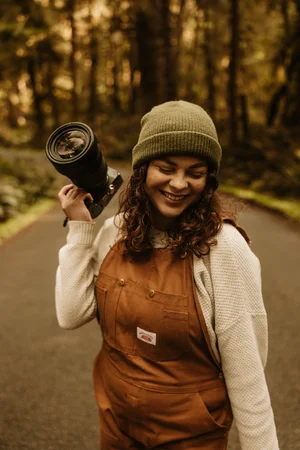
I’m much more than a photographer, I’m someone who is super passionate about supporting couples on their big day, from scouting hidden gems for the ideal location, stress-free planning, and of course capturing raw, authentic moments. As a photographer specializing in adventure elopements, you’ll be in safe hands. So, are you ready to say yes to Patagonia?! More information on my packages below:
Packages
4 hours, 8 hours, 12 hours, or 2 Day elopement photography
Photography on digital, film, and drone (where permitted)
A personalized elopement planning experience with unlimited assistance
Personalized elopement location recommendation list
Vendor, lodging, and activity recommendations
Custom-built-for-you elopement timeline
Assistance to help you with permits and licenses
90+ page elopement planning guide with my best tips & tricks
Optional complimentary officiant services
Online gallery with full resolution images and printing rights
5-7 day sneak peeks
Travel fees to anywhere in Patagonia already included
Starting at $8,000
Video Add-Ons
For an extra special, immersive reminder of your special day, I now offer the following options for video add ons to your elopement packages:
Documentary style highlight reel
Super 8 film
Starting at $2,500

Dreaming of eloping in Patagonia? See Kat and Ramon’s intimate Lago Pehoé elopement in Torres del Paine and learn exactly how to plan your own breathtaking, stress-free wedding in Chile.